How to Choose the Top Exterior Doors for Your Home?
Choosing the top exterior doors for your home involves more than comparing colors, prices, and showroom appeal. A door must manage weather, security, daily traffic, and energy loss. It should also suit your home’s architecture and local climate.
Mark Clement, a licensed contractor and building educator, once described the front door as “the handshake of your home.” That image is useful. Your entry door welcomes guests, blocks wind, and absorbs years of opening, slamming, and seasonal movement. A strong choice begins with accurate measurements. Check the rough opening, wall thickness, sill height, and door swing before shopping. Small mistakes can create drafts, water problems, or expensive installation changes.
Fiberglass doors often provide stable performance with limited maintenance. Steel doors can offer strong security and efficient insulation. Solid wood doors bring warmth and character, but they require more attention in wet or sunny locations. Look for reliable weatherstripping, a durable threshold, insulated glass, and tested energy performance. Hardware matters too. A quality lock should match the door’s construction, not merely look impressive.
Details matter.
Still, no material is perfect. A premium door can perform poorly when installed badly. Even the top exterior doors may leak if the sill is unlevel or the flashing is missing. That is why this guide considers product quality and installation together. It also questions popular assumptions, including whether the most expensive option is always the best. Your home, exposure, budget, and maintenance habits deserve equal attention.
Define Your Home’s Exterior Door Requirements
How to Choose the Top Exterior Doors for Your Home?
Define your requirements before comparing exterior doors. Start with your climate and entrance exposure. A west-facing door may receive intense afternoon heat, while a sheltered porch faces less weather. The U.S. Energy Information Administration’s 2020 Residential Energy Consumption Survey reports that space heating uses 42% of household energy, while air conditioning uses 9%. This makes insulation and controlled air movement practical concerns, not decorative details. Check the door’s U-factor, air leakage rating, and solar heat gain coefficient. The National Fenestration Rating Council explains these ratings for comparing energy performance. Confirm the rough opening, wall thickness, swing direction, threshold height, and available landing space.
Security and daily use also shape the right specification. Look for a rigid frame, dependable hinges, reinforced lock areas, and weather-resistant seals. If the entrance serves children, older adults, or wheelchair users, measure clear passage and threshold height carefully. Glass can brighten a hallway, but it may reduce privacy and increase heat gain. A door that looks excellent in a showroom may perform poorly after incorrect installation. That is an uncomfortable but important possibility.
Tips: Ask for written performance data, not vague claims. Inspect corners and seals after installation. ENERGY STAR guidance estimates that air sealing and insulation can reduce heating and cooling costs by about 15%. Still, local workmanship affects the result. Photograph the opening before ordering, and have a qualified installer verify measurements. You may need to revise your preferred style after checking these practical limits.
Compare Exterior Door Materials and Construction Types
How to Choose the Top Exterior Doors for Your Home?
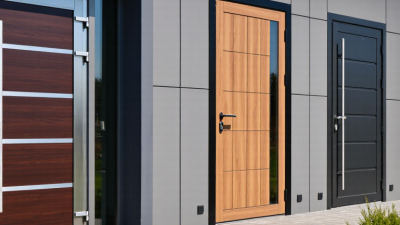
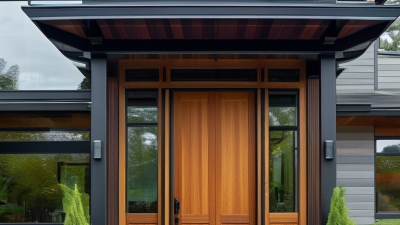
Compare both material and construction before judging an exterior door. Fiberglass resists moisture, dents, and temperature changes, making it practical for exposed entrances. Steel provides strong security and usually costs less, but scratched finishes can rust. Wood offers natural texture and excellent repairability. However, it needs consistent sealing, especially near wet thresholds.
Construction matters as much as the surface. A solid-core door feels stable and reduces sound better than a hollow model. Look for insulated cores, compression weatherstripping, adjustable thresholds, and sealed joints. The National Fenestration Rating Council reports U-factor and solar heat gain coefficient values for many glazed door systems. Lower U-factor generally indicates better insulation. The U.S. Department of Energy estimates that windows account for 25–30% of household heating and cooling energy use. That figure applies mainly to windows, but it highlights the impact of large glass door panels.
No material wins everywhere.
Tips: Match the door to your exposure. Use fiberglass or well-protected steel in rainy areas. Choose wood only when maintenance is realistic. Check the NFRC label, air-leakage rating, frame depth, and threshold design. A beautiful door can still perform poorly if installation leaves a visible gap beneath it. I have seen this overlooked detail defeat expensive insulation. Recheck the swing, drainage, and seal after seasonal movement.
Match Door Design, Size, Hardware, and Opening Direction
How to Choose the Top Exterior Doors for Your Home?
Match Door Design, Size, Hardware, and Opening Direction
Choosing an exterior door starts with how your home feels and functions.
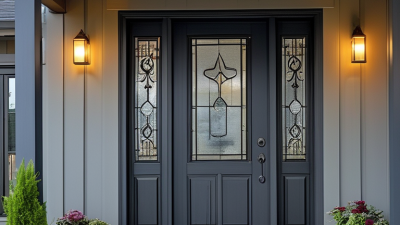
A simple panel door suits traditional walls, while glass sections can brighten a dark entryway. I once measured only the door slab, not the rough opening. That mistake delayed installation and exposed a small but costly planning gap.
Measure the rough opening, frame depth, and threshold height before selecting a size. Leave space for shims and weather seals. The door should close evenly without scraping the floor. Check the surrounding trim too. It can make a standard door appear narrow or oversized. This detail is easy to overlook.
Hardware must match daily use, security needs, and local weather.
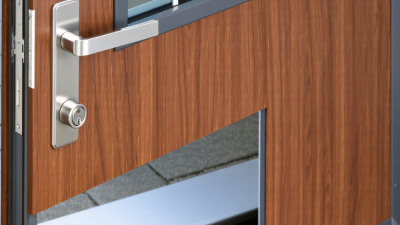
Choose corrosion-resistant finishes for damp or coastal areas. A strong deadbolt, sturdy hinges, and a comfortable lever improve practical performance. Test the opening direction before ordering. The door should swing away from steps, furniture, and crowded walkways. For some entrances, an outward swing works better, but it may face wind and rain more directly. Inward swings protect hardware, yet they require clear interior space. I prefer marking the swing with painter’s tape first. It feels overly cautious, but it reveals awkward movement quickly. Check accessibility needs as well, especially when family members carry groceries or use mobility equipment. A beautiful door is not successful if its size or swing makes everyday movement frustrating.
Set a Budget and Verify Installation Requirements
Choosing a top exterior door starts with a realistic budget, not a glossy showroom price.
Include the slab, frame, lockset, threshold, trim, removal, disposal, labor, permits, and possible framing repairs.
I would reserve 10–15% for surprises.
Old openings rarely behave perfectly. My first estimate was too optimistic because the sill had hidden water damage.
The 2024 Cost vs. Value Report by Zonda estimated an average steel entry-door replacement at about $2,355, with a reported resale value near $4,430. That figure is useful, but it is not a promise. Local labor, climate, and opening conditions can change the result sharply. The U.S. Department of Energy also advises checking a door’s insulation performance, air leakage, and weatherstripping. Small gaps can create cold drafts beside the ankle.
Before ordering, measure the rough opening, wall thickness, jamb depth, swing direction, and threshold height. Confirm the frame fits the existing wall. Ask the installer to explain sill flashing, pan drainage, fastener placement, and exterior sealant. In wet or high-wind areas, verify the required water-resistance and wind-load ratings. Local building rules may also affect landing space, clearance, and emergency egress. A low quote may exclude these details.
Request an itemized proposal. Check labor, finishing, hardware, disposal, and repair allowances separately. A qualified installer should document measurements and explain what happens if the opening is out of square. Do not rely on verbal assurances alone. Industry data can guide a budget, but careful site verification protects it.