Blog

How to Choose the Best Exterior Doors in 2026?

Choosing the best exterior doors in 2026 requires more than comparing colors, prices, and online reviews. Your front door affects security, comfort, energy use, and daily convenience. It also shapes the first impression of your home. The search phrase “doors exterior doors” may produce countless options, but not every product suits your climate or wall construction.

Begin with the building itself. A damp coastal home may need corrosion-resistant hardware and stable fiberglass. A cold region may benefit from insulated cores, tight weatherstripping, and low-conductivity frames. Hot, sunny locations require durable finishes that resist fading and warping. Steel can offer strong security, while solid wood provides warmth and character. However, wood needs regular sealing. Details matter.

In practical installations, poor measurements cause more trouble than unusual door designs. Check the rough opening, sill condition, swing direction, and threshold height before ordering. Ask manufacturers for tested performance data, warranty terms, maintenance instructions, and compatible hardware. Look for recognized energy and security certifications where available, then confirm local installation requirements with a qualified professional. A smart lock is useful, but it cannot correct a weak frame or badly aligned hinges.

No door is perfect. A highly glazed model may brighten a hallway but reduce privacy. A heavier door may improve stability but demand stronger hinges. Even expert recommendations can miss a household’s habits. This guide examines materials, insulation, security, weather resistance, design, costs, and installation realities, helping you choose with evidence rather than attractive photographs alone.
How to Choose the Best Exterior Doors in 2026?

Exterior Door Types and Their Best Uses in 2026

Choosing an exterior door in 2026 starts with its location, not its appearance. A sheltered front entrance can use a solid wood door, especially where natural texture matters. Wood feels warm and can be repaired, but it needs regular sealing in wet climates. Fiberglass doors suit busy households because they resist moisture, dents, and temperature changes. Steel doors offer strong security and stable performance, although damaged finishes may rust if ignored.

Different openings need different designs.
A single insulated door fits narrow entrances and reduces heat loss. French doors bring wider access to a patio, but their meeting edges require careful adjustment. Sliding glass doors save space and suit gardens or balconies. Choose low-emissivity glass when sunlight overheats the room. A storm door adds another protective layer in windy or cold regions.

I once focused too much on appearance. That was a costly mistake. The threshold, hinges, weather seals, and frame often decide daily comfort. Check local building requirements before ordering, especially for fire separation, glazing, and emergency exits. A certified installer should measure the rough opening, inspect wall moisture, and confirm drainage. Smart locks can improve access control, yet they still need manual entry options during power or network failures. Even the best door performs poorly when its sill slopes toward the interior.
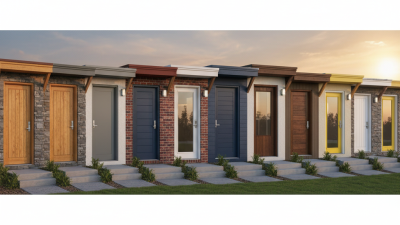
Key Factors for Comparing Exterior Door Materials

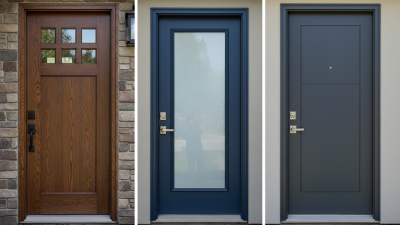
Choosing an exterior door in 2026 starts with material, not appearance. Steel doors usually offer strong security and stable performance at a moderate price. Fiberglass resists dents, moisture, and sunlight better than many painted wood doors. Wood provides natural texture, but it needs careful sealing, especially near wet entryways. No material wins every climate.

The U.S. Department of Energy reports that windows account for about 25%–30% of residential heating and cooling energy use. Doors are not windows, but poor seals can still create noticeable drafts. Check the NFRC label for U-factor and air-leakage ratings. Lower U-factor values generally indicate better insulation. A solid core, compression weatherstripping, and an adjustable threshold matter more than decorative glass alone. Test the door in person. A showroom sample rarely reveals winter swelling or summer expansion.

The 2024 Cost vs. Value Report recorded an average 188.1% cost recoup for steel entry-door replacement. That figure reflects surveyed resale markets, not a guaranteed return. Installation quality can erase material advantages. Inspect the frame, sill, hinges, and flashing before comparing finishes. A cheaper door with a warped frame becomes an expensive lesson. Also question “maintenance-free” claims; every exterior assembly needs periodic inspection, cleaning, and seal replacement.

How to Evaluate Energy Efficiency, Security, and Durability

Choosing the Best Exterior Doors in 2026

During home inspections, I look beyond appearance. An attractive door can still leak air around its frame. Check the U-factor, weatherstripping, insulated core, and threshold design. Lower U-factor values generally indicate better insulation. Look for tight seals around all four edges. A cold draft near the floor often reveals poor installation, not a weak door alone. Low-emissivity glass can reduce heat transfer, but large glass panels may reduce privacy and security.

Tips: Ask for tested performance data. Inspect the frame corners. Press the seals gently. Replace damaged weatherstripping early.

Security requires balanced judgment. A reinforced frame, strong hinges, and a properly installed deadbolt matter more than decorative hardware. Glass near the lock deserves careful attention. Laminated glazing can resist impact better than ordinary glass. However, no door prevents every possible intrusion. I once focused too heavily on the lock and overlooked a flexible frame. That mistake changed how I inspect complete door systems.

Durability depends on climate and maintenance. Fiberglass usually handles moisture well, while steel can resist impact but may rust after coating damage. Wood offers warmth, yet it needs regular sealing, especially near the bottom edge. Check drainage details, screw quality, and hinge alignment. A door that rubs today may fail its seals next winter. Performance claims should come from recognized testing standards, installation records, and qualified local professionals.

How to Choose the Best Exterior Doors in 2026: Evaluating Energy Efficiency, Security, and Durability

Performance figures are typical ranges for properly installed residential doors. Always verify the tested rating for the complete door assembly, including the frame, glazing, hardware, weatherstripping, and threshold.
Door Type Typical Thermal Performance Energy-Efficiency Features to Look For Security Evaluation Durability and Maintenance Weather and Climate Suitability Best Use Case
Insulated Fiberglass Typical insulated-panel U-factor: approximately 0.15–0.30 Btu/h·ft²·°F, depending on construction and glazing. High energy efficiency
Select a polyurethane- or similar foam-insulated core, continuous weatherstripping, an adjustable threshold, and low-emissivity double- or triple-pane glazing.
The material itself does not determine security. Choose a reinforced frame, a deadbolt with a long throw, protected hinges, multi-point locking, and laminated or tempered safety glass where glazing is present. Resistant to moisture, dents, and corrosion when properly finished. Usually requires less repainting than wood. Inspect seals and finish annually. Suitable for cold, hot, humid, and coastal areas when the finish, hardware, and frame are specified for the local exposure. A strong all-around choice for homeowners prioritizing low maintenance, thermal performance, and design flexibility.
Insulated Steel Typical insulated-panel U-factor: approximately 0.15–0.30 Btu/h·ft²·°F. Thermal-bridge performance depends heavily on the frame and edge construction. Very good value
Look for a fully insulated core, thermally improved frame, compression weatherstripping, and a low-emissivity glazing option.
A reinforced steel skin can provide strong resistance to forced impact. Prioritize a reinforced strike plate, secure hinge-side protection, a quality deadbolt, and tested locking hardware. Strong and stable, but scratches or exposed edges can rust. Touch up damaged coatings promptly, particularly in coastal or high-humidity environments. Effective in most climates. Use corrosion-resistant finishes and hardware in salt-air locations. Suitable for budget-conscious buyers seeking strength, good insulation, and a traditional entry-door appearance.
Solid or Engineered Wood Thermal performance varies widely. Typical wood-panel U-factor is approximately 0.30–0.60 Btu/h·ft²·°F, with better results from thicker engineered construction and insulated cores. Moderate to high maintenance
Use an insulated core, high-quality perimeter seals, a tight-fitting threshold, and low-emissivity glazing. Avoid large unprotected glass areas in severe climates.
Security depends on the door thickness, frame strength, strike reinforcement, hinges, and lockset. A solid door is not secure if the frame or strike area is weak. Can last for decades with regular sealing or refinishing. More vulnerable to swelling, shrinking, warping, and moisture damage if exposed to rain or standing water. Best under a deep overhang or protected entrance. Requires careful detailing in wet, humid, or highly variable climates. Best for architectural character, repairability, and custom sizing when ongoing maintenance is acceptable.
Thermally Broken Aluminum Typical U-factor: approximately 0.25–0.50 Btu/h·ft²·°F. Thermally separated frames perform substantially better than non-broken aluminum frames. Frame quality is critical
Confirm a true thermal break, insulated glazing, low-emissivity coatings, warm-edge spacers, and continuous air seals.
Strong frames can support multi-point locking and heavy-duty hardware. Evaluate the complete tested assembly rather than the metal skin alone. Resistant to rot and many forms of corrosion. Powder-coated or anodized finishes generally require limited maintenance, but damaged coatings should be repaired. Performs well in modern designs and exposed locations when the finish and fasteners are rated for the environment. Less suitable than high-performance insulated doors in very cold climates unless carefully specified. A good option for large glazed openings, slim sightlines, contemporary architecture, and low-maintenance installations.
Composite or Engineered Polymer Typical insulated-panel U-factor: approximately 0.15–0.30 Btu/h·ft²·°F, depending on the core, panel thickness, frame, and glazing. Consistent insulation
Look for a low-conductivity core, thermally improved frame, compression seals, insulated threshold, and factory-tested air leakage performance.
Select models with a reinforced lock block, a strong frame, multi-point locking where appropriate, and certified safety glazing for doors with glass. Generally resistant to moisture, insects, and rot. Check ultraviolet stability, surface-finish warranty, and replacement availability for seals and hardware. Suitable for humid and wet climates when all components are rated for the exposure. Confirm temperature-range and sunlight performance for dark finishes. Suitable for buyers seeking stable dimensions, low maintenance, and strong insulation without the upkeep of natural wood.
Large-Glazed or Patio Entry Door Glass often governs performance. Typical double-pane low-emissivity units may achieve approximately U-factor 0.25–0.35 Btu/h·ft²·°F; triple-pane units can perform better. Prioritize glazing and seals
Check whole-unit U-factor, solar heat gain coefficient, air leakage, warm-edge spacers, interlocking meeting rails, and properly adjusted rollers or hinges.
Use laminated glass where impact resistance is important, anti-lift devices for sliding doors, keyed or multi-point locks, reinforced keepers, and secure track or hinge protection. Weatherstripping and rollers require periodic inspection. Keep tracks clean, maintain drainage paths, and replace compressed seals when necessary. Select the solar heat gain coefficient according to climate and orientation: lower values generally reduce unwanted solar heat, while moderate gains may be useful in cold sunny climates. Best when daylight, views, or indoor-outdoor access are more important than the highest possible insulation level.
2026 buying checklist: Compare the complete door assembly using independently tested values. For energy performance, prioritize a lower U-factor, low air leakage, appropriate solar heat gain control, and continuous weather seals. For security, inspect the frame, strike area, hinges, glazing, and locking system together. For durability, match the finish, threshold, flashing, drainage, and hardware to the local climate.

Choosing the Right Exterior Door Style, Size, and Features

Choosing an exterior door starts with proportion, not decoration. A 36-inch-wide door usually feels generous and handles furniture better. However, your wall, porch, and entry path may limit that choice. Measure the slab, jamb depth, swing direction, and rough opening before ordering. An attractive door can still feel wrong when it blocks a nearby light switch.

Style should support the home’s architecture. A flush door suits modern walls, while panels or glass can complement traditional façades. Select insulated cores, weatherstripping, and a durable threshold for better comfort.

The U.S. Department of Energy identifies doors as common air-leakage points, especially around frames. Check U-factor and solar heat gain data through the National Fenestration Rating Council. These figures matter more than vague claims such as “energy efficient.” The 2024 Cost vs. Value Report recorded 188.1% cost recovery for a steel entry-door replacement, though local prices vary widely.

Tips:

Place painter’s tape around the proposed opening. Walk past it with groceries. Test the latch with wet or gloved hands. Choose clear glazing carefully; it improves daylight but can reduce privacy. Consider laminated or frosted glass near bedrooms.

Do not ignore maintenance: dark finishes may show dust, and exposed wood needs regular sealing. Installers frequently find that an expensive door performs poorly after rushed flashing work.

A flawless specification cannot rescue a careless installation.

A Step-by-Step Guide to Selecting and Installing Your Door

How to Choose the Best Exterior Doors in 2026?

A Step-by-Step Guide to Selecting and Installing Your Door

Begin with the opening, not the door style. Measure its height, width, and depth at three points. Record the smallest measurements. Measure twice. Check whether the wall is square using a level and diagonal measurements. A poorly aligned opening can cause drafts, rubbing, and water leaks. Consider your climate, too. A sheltered porch needs different protection than an exposed coastal entrance. Choose a durable core, weather-resistant surface, secure hinges, and insulated glass when appropriate. Verify local energy and fire-safety requirements before ordering. Door swing matters. It should open freely without blocking stairs, furniture, or escape routes.

Before installation, inspect the threshold, framing, and subfloor for moisture or rot. Repair weak areas now. Dry-fit the door and confirm the reveal looks even. Apply compatible flashing and sealant according to the installation instructions. Set the frame carefully, then use shims behind each hinge and locking point. Do not overtighten the screws. That mistake can twist the frame. Check the level after every adjustment. A small gap around the frame can receive low-expansion insulation, but avoid filling the drainage path. I once trusted a straight-looking wall and skipped a second diagonal check. The door worked, but the trim exposed the error. Test the latch, sweep, and weather seal several times. Rain should move away from the threshold, not toward the room.

Top