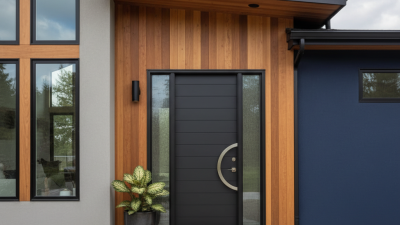
Choosing exterior doors in 2026 requires more than matching a home’s color scheme. The right door must manage weather, security, comfort, accessibility, and daily wear. A beautiful slab can still fail when its frame leaks air or its threshold collects rainwater. That detail matters.
Dr. Allison A. Bailes III, a respected building-science educator, says, “A house is a system.” His reminder fits every exterior door decision. A door affects heating costs, indoor drafts, moisture control, and even how safely residents enter the home. Buyers should compare insulated cores, low-emissivity glass, multipoint locks, durable finishes, and manufacturer-tested air and water ratings. Local climate matters too. A coastal home needs corrosion resistance, while a cold-region property needs a carefully sealed threshold.
Technology adds choices, not automatic wisdom. Smart locks can improve access control, but batteries fail. Oversized glass can brighten a hallway, yet it may reduce privacy and increase heat gain. Fiberglass often resists moisture, while solid wood offers warmth but demands maintenance. Steel can provide strength, though scratches may expose vulnerable areas.
There is no perfect door.
Even experienced installers occasionally miss small alignment problems. A one-millimeter gap can become a noticeable draft after seasonal movement. Therefore, this guide examines materials, energy performance, security features, installation quality, maintenance, and realistic costs. It also questions popular assumptions, because “premium” does not always mean suitable. For homeowners comparing exterior exterior doors in 2026, careful measurements and climate-aware judgment matter more than fashionable finishes.
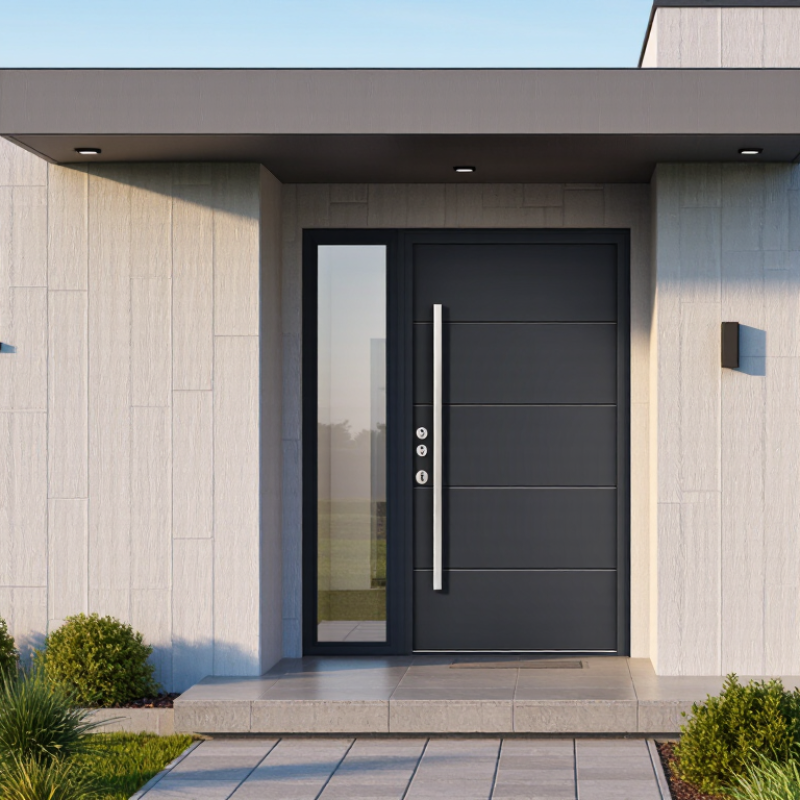
Exterior door types now serve different needs, climates, and daily routines. Fiberglass doors suit busy family entrances because they resist moisture, dents, and temperature changes. Steel doors offer strong security and usually provide excellent insulation, but surface damage can eventually show rust if ignored. Solid wood doors create warmth and character. However, they need regular sealing, especially in rainy or coastal areas.
Sliding glass doors Sliding glass doors work well for patios, balconies, and garden rooms. They bring in daylight and save floor space, but their tracks need frequent cleaning.
French doors French doors suit wider openings and traditional homes. Check their weather seals carefully.
A beautiful door can still perform poorly when installation leaves small gaps. I have seen energy loss come from the frame, not the door panel. That detail is easy to miss.
Match the door to your local weather first. Measure the opening, frame, threshold, and swing direction before ordering. Choose low-emissivity glass for sunny rooms, and inspect the locking system in person. Ask a qualified installer about drainage, insulation, and emergency access. Smart locks may add convenience, but they still need manual backup options. Do not choose only by appearance. Door hardware, hinges, seals, and professional fitting often determine long-term comfort.
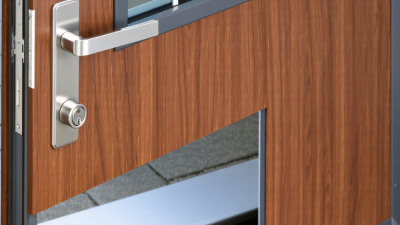
Choosing an exterior door in 2026 starts with the material, not the showroom finish. Fiberglass resists moisture and can imitate painted wood with less seasonal movement. Steel offers strong security and a firm feel, but exposed edges may rust. Wood provides natural insulation and repairability, yet it needs disciplined sealing. Aluminum suits wet areas, although thermal breaks matter in cold climates. Composite doors can balance durability and insulation, but specifications vary widely.
Look for published U-values, air-leakage results, water-resistance ratings, and tested security features. These figures reveal more than appearance. A door’s performance also depends on installation. Poor flashing can allow rain behind even an excellent frame. Check the threshold height, drainage path, hinges, locks, and surrounding wall condition. In real projects, small gaps often create drafts and noise. It is tempting to choose the thickest door, but thickness alone does not guarantee efficiency. I would also question vague warranty language and unusually low prices.
Tips: Compare materials in your local climate. Touch the sample surface in direct sunlight. Ask how often each finish needs maintenance. Inspect the frame corners carefully. Keep written specifications before ordering. A minor detail may matter later. Reconsider the decision after measuring the opening twice.
Start with the opening, not the catalog. Measure width, height, wall thickness, and the finished floor level. A rough opening can hide several millimeters of error. The 2024 International Residential Code generally requires a 32-inch clear egress width for the main exit door, but local adoption can differ. Verify requirements before ordering.
Configuration changes daily comfort. A single door suits narrow porches, while double doors improve moving access but require stronger framing. Sidelights bring daylight into dark halls, although they can reduce privacy. In windy areas, an outswing door may save interior space, but its threshold needs careful drainage. I have seen attractive doors fail because the swing collided with furniture. It looked obvious afterward.
Style should support the house, not fight it. Choose flush panels for a clean modern elevation, or glazed panels for a brighter entry. For energy performance, compare NFRC-certified U-factor and solar heat gain coefficient ratings under standardized conditions. Lower U-factor usually indicates better insulation. The 2024 Remodeling Cost vs. Value Report recorded a 188.1% cost recoup for steel entry-door replacement, but that figure is a market average, not a promise. Material, climate, installation, and maintenance still matter. A beautiful door with poor flashing is still a weak investment.
How to Choose Exterior Doors in 2026?
Choosing an exterior door in 2026 starts with your home’s weak points, not appearance. A well-fitted door can reduce drafts, outside noise, and wasted heating. Look for insulated cores, low-conductivity frames, and durable weather seals. Check the complete assembly, not only the door slab. A beautiful door still performs poorly when daylight appears around its edges. During inspections, I pay close attention to the threshold. It often reveals poor installation.
Security should feel strong without becoming complicated. Choose multi-point locks, reinforced strike areas, and protected hinges. A door viewer or camera can improve awareness near a dark porch. Smart locks offer temporary codes, activity records, and remote status checks. They also introduce new risks. Select encrypted communication, regular software updates, and a manual key backup. Avoid connecting every device by default. Convenience can become frustrating. I have learned that the simplest system is often the most reliable.
Tips: Measure the opening twice. Test the seal with a thin sheet of paper. Visit the doorway during heavy rain and strong wind. Ask how water drains from the threshold. Compare insulation ratings from reliable testing sources. Review privacy settings before enabling voice control or remote access. Consider who will use the door daily, including children and older residents.
How to Choose Exterior Doors in 2026?
Installation quality often matters more than the door’s advertised performance. A well-built door can still leak air when the frame is twisted or the threshold is poorly sealed. Measure twice. Confirm the rough opening, wall depth, swing direction, and drainage path before ordering. A qualified installer should check the subfloor, use compatible flashing, and follow the product’s tested installation instructions. Local building requirements may also affect size, glazing, and emergency access.
During installation, watch for uneven gaps around the slab. Small gaps matter. The door should close without force, while the weatherstripping should compress evenly. I have seen beautiful doors perform poorly because installers rushed the sill pan. That mistake is expensive to correct later. Ask for photographs of concealed sealing steps and keep the installation documents for future repairs or claims.
Maintenance protects long-term value. Inspect seals each season, especially after heavy rain or freezing weather. Clean tracks and hinges, tighten loose hardware, and touch up exposed finishes before moisture reaches the core. Wood doors may need more frequent coating checks, while composite and metal doors still require careful inspection. Consider repair access, insulation, daylight control, and expected service life rather than price alone. A cheaper door may cost more when replacement parts are difficult to find.
Tips: Test the door after installation. Check light leaks at night. Record the adjustment date. Avoid harsh cleaners. Recheck seals every spring.
| Door Material | Typical Installed Cost (USD) |
Installation Considerations | Typical Door U-Factor Range (Lower Is Better) |
Maintenance Needs | Expected Service Life | Long-Term Value Considerations |
|---|---|---|---|---|---|---|
| Fiberglass | $1,500–$4,000 | Usually straightforward when the rough opening is square and the frame is properly shimmed. Professional installation is recommended for replacement projects. | Approximately 0.15–0.30 | Clean periodically, inspect weatherstripping, lubricate hinges and locks, and refinish or repaint when the surface coating begins to deteriorate. | 20–30 years with proper care | Good balance of insulation, durability, low maintenance, and resistance to dents, moisture, and temperature changes. |
| Insulated Steel | $1,000–$3,000 | Requires accurate measurement and careful protection against scratches during handling. Any exposed metal should be primed and sealed promptly. | Approximately 0.15–0.30 | Inspect annually for scratches, dents, and rust around edges or hardware. Maintain paint, seals, hinges, and thresholds. | 15–25 years | Often offers strong initial value and security. Coastal or persistently damp environments require more frequent coating inspections. |
| Solid or Engineered Wood | $2,000–$6,000+ | Needs precise leveling, adequate overhang or weather protection, and careful sealing on all exposed faces and edges. | Approximately 0.20–0.35 | Inspect at least twice a year for swelling, cracking, peeling finish, moisture intrusion, and changes in alignment. Re-seal or repaint as needed. | 20–40 years with consistent maintenance | Provides strong visual appeal and repairability, but lifecycle costs can be higher because finishing and moisture control are essential. |
| Thermally Broken Aluminum | $2,000–$5,000 | Frame thermal breaks, drainage paths, and compatible flashing are important. Installation tolerances should be checked carefully. | Approximately 0.20–0.40 | Clean exposed surfaces, inspect finish and seals, clear drainage channels, and lubricate moving hardware as required. | 20–30 years | Resists corrosion and moisture well when correctly finished, but basic non-thermally broken aluminum can transfer heat more readily. |
| Composite or Hybrid | $2,000–$5,000 | Follow the specified installation sequence for the frame, sill pan, flashing, and sealants. Compatibility between components is important. | Approximately 0.15–0.30 | Typically requires routine cleaning, weatherstrip inspection, hardware lubrication, and periodic checks of joints and sealants. | 20–30 years | Can combine good insulation with improved moisture and dimensional stability, though repair options depend on the construction system. |
| Evaluation Area | What to Check Before Purchase | Recommended 2026 Selection Standard |
|---|---|---|
| Energy Efficiency | Review the complete door assembly, including the slab, frame, glazing, sill, and weatherstripping. | Choose a tested, insulated assembly with a low U-factor suitable for the local climate; compare whole-unit performance rather than the slab alone. |
| Installation Quality | Confirm opening dimensions, sill condition, plumb, level, square, flashing, drainage, and air sealing. | Use a qualified installer and follow local building codes and the door manufacturer’s installation instructions. |
| Weather Resistance | Consider wind-driven rain, sunlight, humidity, snow, coastal air, and the amount of roof or porch overhang. | Select durable finishes, corrosion-resistant hardware, effective thresholds, and weatherstripping appropriate for the exposure. |
| Security and Accessibility | Check lock reinforcement, hinge security, visibility, threshold height, clear opening, and ease of operation. | Prioritize a reinforced frame, quality deadbolt preparation, smooth operation, and an accessible threshold where required. |
| Lifecycle Cost | Compare purchase price, installation, refinishing, hardware replacement, energy performance, and expected service life. | Choose the lowest total cost over the expected ownership period, not simply the lowest initial price. |
Note: Cost ranges are broad planning estimates in U.S. dollars for a typical single exterior door installation and vary by location, size, glazing, site conditions, labor, permits, and finish. U-factor ranges and service lives are general ranges for comparable door assemblies; verify project-specific performance through current test data and local code requirements.