Blog

Top Exterior Moulding Suppliers for Global Buyers

Choosing the right exterior moulding supplier requires more than comparing catalog prices. Global buyers must examine material quality, profile accuracy, weather resistance, production capacity, and export experience. A supplier may offer beautiful cornices, window surrounds, or door trims, yet fail during packaging or installation. Small details matter.

Architectural millwork specialist Brent Hull has said, “The difference between a good house and a great house is in the details.” That principle guides this review of leading exterior moulding suppliers. Strong suppliers provide clear technical drawings, consistent dimensions, moisture-resistant finishes, and samples that reflect actual production. They also explain limitations instead of hiding them. That builds trust.

Regional climate should influence every purchasing decision. Coastal projects may require corrosion-resistant fixings and stable composite materials. Cold climates demand careful attention to expansion and contraction. Restoration work often needs custom profiles, not standard catalogue items. Buyers should request independent test reports, installation guidance, and references from comparable projects. Freight protection deserves equal attention. Damaged moulding can erase an apparent price advantage.

The market is not perfect. Supplier claims can be difficult to compare across countries. Certification names may sound impressive but reveal little about daily quality control. This guide therefore considers practical evidence, including production inspection, packaging methods, communication speed, and after-sales support. The best choice is not always the cheapest one. It is the supplier that delivers consistent exterior moulding, realistic promises, and dependable support from factory to finished façade.

Top Exterior Moulding Suppliers for Global Buyers

Defining Exterior Moulding and Its Role in Building Design

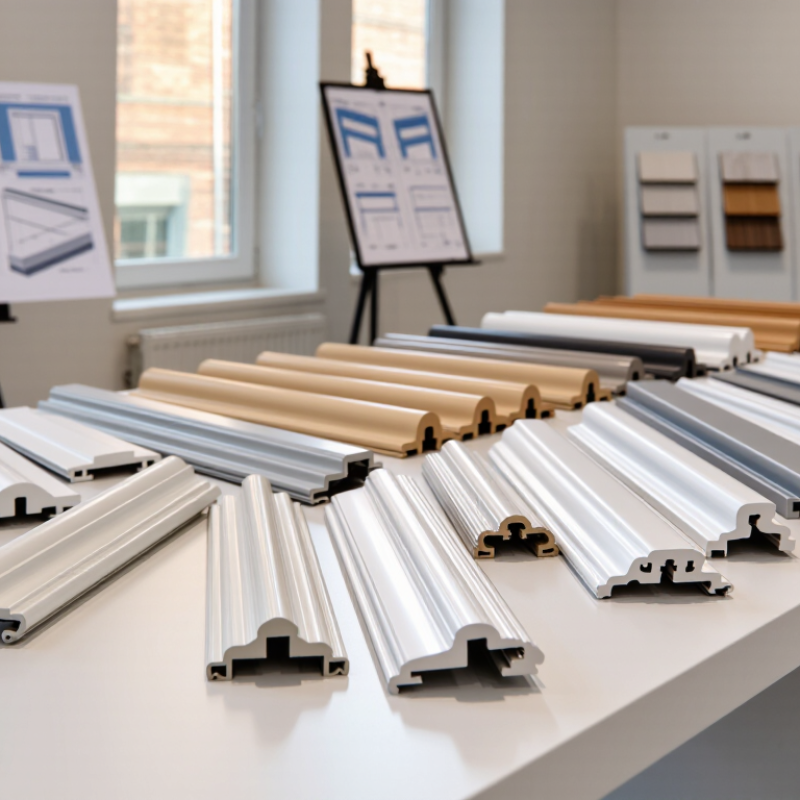
Exterior moulding is a shaped architectural element applied to a building’s outer surfaces. It may frame windows, outline doors, protect edges, or divide wall finishes.

Common profiles include window surrounds, cornices, sills, bands, and decorative trims. They can be made from timber, cement-based composites, polyurethane, metal, or engineered stone. Each material responds differently to moisture, sunlight, temperature changes, and impact.

Good design is practical.

Moulding directs visual attention and gives a plain façade depth, rhythm, and proportion. A narrow trim can sharpen a modern elevation, while a deeper cornice creates stronger shadow lines. It may also help shed rainwater when correctly detailed around openings. During site inspections, installers usually check substrate strength, joint spacing, sealant compatibility, and drainage paths before fixing profiles.

Small errors become visible.

Uneven corners, poorly sealed joints, or mismatched textures can weaken both appearance and service life. Global buyers should request dimensional drawings, material data, test evidence, and installation guidance from potential suppliers. Regional weather matters too. A profile suited to a dry climate may perform poorly under coastal salt, heavy rain, or repeated freezing. The term “exterior moulding” is not always used consistently, so specifications must define dimensions, tolerances, finish, fire performance, and maintenance needs. Even experienced teams can overlook thermal movement. That detail deserves another review.

Top Exterior Moulding Suppliers for Global Buyers

Defining Exterior Moulding and Its Role in Building Design

Exterior moulding consists of decorative and protective architectural profiles installed around façades, windows, doors, rooflines, and corners. The chart compares commonly used exterior moulding materials by indicative service-life ranges. Actual performance depends on climate, installation quality, exposure, maintenance, and product specifications.

Key Materials Used by Leading Exterior Moulding Suppliers

Exterior moulding suppliers serve global buyers with materials chosen for climate, structure, and finish requirements. Polyurethane is widely used for decorative trims because it is lightweight, detailed, and less vulnerable to moisture than traditional wood. It can reproduce carved profiles around windows, doors, and rooflines without adding excessive wall load. PVC offers consistent dimensions and low maintenance, especially in humid coastal regions. However, poor installation can still allow water behind the trim.

Fiberglass-reinforced materials provide strong dimensional stability. They suit large cornices, columns, and commercial façades exposed to temperature changes. Aluminum moulding is another practical option. It resists corrosion when properly coated and performs well on modern buildings with clean, narrow lines. Yet coating quality matters more than many buyers expect. A small surface defect may become visible after repeated sun exposure.

Wood-plastic composites create a warmer appearance while reducing routine painting. They can work well for residential exterior details, but expansion gaps must be calculated carefully. Specifications should include density, impact resistance, fire performance, coating compatibility, and installation tolerances. In supplier evaluations, sample testing is more reliable than catalog images. No material is perfect. A finish that looks excellent in a dry warehouse may react differently under salt air, frost, or intense ultraviolet light. Experienced buyers should request climate-based test data and inspect corner joints before approving a large shipment.

Top Exterior Moulding Suppliers for Global Buyers - Key Materials Used by Leading Exterior Moulding Suppliers
Material Category Typical Exterior Moulding Products Key Material Characteristics Common Outdoor Applications Weathering Performance Main Advantages Important Limitations Buyer Considerations
Cellular PVC Window and door trim, corner boards, fascia, rake boards, decorative profiles Closed-cell PVC with a lightweight, moisture-resistant structure; commonly supplied in solid or embossed finishes Residential siding systems, coastal buildings, low-maintenance façade details Does not rot or absorb water; requires a formulation and finish suitable for ultraviolet exposure and temperature changes Low maintenance, paintable, easy to machine, resistant to insects and moisture Can expand and contract with temperature; may soften or distort under excessive heat; thermal movement requires proper installation Confirm profile tolerances, expansion gaps, paint compatibility and fire-performance requirements
Extruded PVC J-channels, utility trims, drip edges, cladding accessories and narrow decorative profiles Rigid thermoplastic formed through an extrusion process; available in multiple colors and cross-sections Vinyl cladding, soffit systems, window surrounds and exterior finishing details Good moisture resistance; long-term color and impact performance depend on stabilizers, thickness and climate Consistent dimensions, economical production, low water absorption and simple installation Can become brittle in cold conditions or deform at high temperatures if not properly formulated Request test data for impact resistance, color retention and regional temperature ranges
Polyurethane Decorative window headers, brackets, dentil blocks, pilasters and architectural ornament Rigid, lightweight polymer foam or molded polyurethane with a dense exterior skin Classical façades, heritage-style buildings, porches and decorative commercial exteriors Resists moisture and biological decay; requires a durable protective coating for prolonged ultraviolet exposure Lightweight, detailed molding capability, easy to cut and suitable for complex shapes Not a structural material; coating failure can expose the substrate to weathering and installation damage Check density, coating system, fastener requirements, joint treatment and maximum unsupported length
Fiberglass / FRP Custom profiles, column wraps, cornices, coping details and impact-resistant trim Glass fibers embedded in a polymer resin; can be molded into complex shapes with high stiffness-to-weight ratio Commercial façades, industrial buildings, transit facilities and high-exposure locations Strong resistance to corrosion and moisture; gel coats or paint systems are used to protect against ultraviolet degradation High strength, dimensional stability, corrosion resistance and design flexibility Cutting may generate dust; resin systems vary in fire, impact and weathering performance Specify resin type, glass content, surface finish, fire classification and installation safety procedures
Aluminum Drip caps, sill nosings, fascia, window surrounds, coping and rainscreen edge trims Lightweight non-ferrous metal commonly supplied as extruded, formed or cast sections Commercial façades, curtain walls, high-rise buildings and coastal applications Forms a protective oxide layer; anodizing or powder coating improves appearance and surface protection Low weight, corrosion resistance, recyclability, precise profiles and non-combustible construction Can dent; dissimilar-metal contact may cause galvanic corrosion; thermal conductivity is relatively high Verify alloy, temper, coating specification, color tolerance, drainage details and separation from dissimilar metals
Galvanized or Coated Steel Heavy-duty edge trim, structural fascia, parapet coping and industrial exterior profiles Steel substrate protected by zinc coating, metallic coating or a paint-based finish Warehouses, industrial buildings, agricultural structures and robust commercial façades High strength; corrosion resistance depends on coating mass, cut-edge protection, environment and maintenance Excellent stiffness, impact resistance, long spans and strong fastener retention Heavier than aluminum; scratches and unprotected cut edges can become corrosion points Specify coating class, steel thickness, salt-spray requirements, edge treatment and forming tolerances
Solid Wood Window trim, door casings, fascia, rake boards, cornices and traditional decorative profiles Natural timber machined into profiles; species, grain orientation and moisture content affect performance Traditional homes, historic restorations, premium façades and ventilated exterior assemblies Can perform well when properly detailed and maintained; vulnerable to moisture, ultraviolet exposure, insects and fungal decay Natural appearance, easy machining, repairability and broad design availability Requires sealing, painting or staining; can swell, shrink, split or warp when moisture is uncontrolled Confirm timber species, certified sourcing, moisture content, preservative treatment and coating schedule
Engineered Wood Exterior trim boards, fascia, corner profiles and profiled cladding accessories Wood fibers, strands or veneers bonded into boards or molded profiles; performance varies by product construction Residential siding, replacement trim and projects requiring a wood appearance with improved consistency Moisture resistance depends on resin, edge sealing, priming and installation details; exposed end cuts need protection More uniform dimensions than many solid boards, efficient material use and paintable surfaces Water intrusion can cause swelling or delamination in unsuitable grades; not all products are intended for direct exposure Use only exterior-rated grades and verify edge-sealing, warranty, fastener and clearance requirements
Fiber-Cement Trim boards, window surrounds, corner boards, fascia and decorative siding profiles Cementitious matrix reinforced with cellulose or other fibers; non-organic and relatively dimensionally stable Residential and commercial façades, high-humidity regions and fire-conscious projects Resists rot, insects and moisture-related biological damage; joints and cut edges must be detailed correctly Durable, paintable, low biological vulnerability and good resistance to temperature variation Heavy and relatively brittle; cutting requires appropriate dust-control measures and compatible tools Check thickness, density, cut-edge treatment, fire classification, handling method and required support spacing
Wood-Plastic Composite Exterior trim boards, deck-edge profiles, fascia and decorative cladding accessories Wood fibers or flour combined with thermoplastic resin and additives; often manufactured by extrusion or molding Decking surrounds, ventilated façades, porches and low-maintenance residential exteriors Moisture and decay resistance are generally good; color fading and thermal movement depend on formulation and surface finish Low biological decay risk, limited painting needs, consistent appearance and use of recycled content in some formulations Can expand significantly with heat; may retain more heat than wood and can be difficult to repair invisibly Review recycled-content claims, coefficient of thermal expansion, UV testing, fastening system and fire performance

How Global Buyers Can Evaluate Moulding Manufacturers

Global buyers should evaluate exterior moulding manufacturers beyond attractive websites and low quotations. Request material certificates, dimensional reports, and recent production samples. Exterior mouldings face sunlight, rain, temperature changes, and impact. A capable manufacturer should explain resin selection, wall thickness, drainage design, and coating performance. In practical sourcing work, small samples often reveal more than long sales presentations. Check edges, color consistency, mounting holes, and surface defects. Ask how tolerances are measured. Vague answers deserve caution. Some suppliers sound confident but lack repeatable records.

Tips: Send identical drawings to three manufacturers. Compare tooling ownership, minimum order quantities, lead times, packaging, and replacement policies. Request a sample before approving mass production. Test it against the actual vehicle or building profile. It may not fit. That matters. Review factory capacity during busy seasons, not only normal weeks. Confirm inspection points with dated photographs and signed reports. Independent testing can verify weathering and adhesion claims. Do not trust certificates without checking their scope, issue date, and laboratory details.

Reliable communication is also technical evidence. Can engineers answer tolerance questions clearly? Do they record design changes? A dependable supplier should identify risks instead of promising perfection. Global shipping adds damage, moisture, and customs delays. Discuss protective packaging and document control early. Price matters, but unstable quality costs more through rework, rejected shipments, and lost installation time. I would use a written scorecard. It exposes weak assumptions before money and tooling are committed.

International Standards, Certifications, and Quality Controls

Global buyers should assess exterior moulding suppliers through documented standards, not polished samples. The ISO Survey 2022 recorded more than 1.2 million ISO 9001 certificates worldwide. That scale shows quality systems matter, but certification alone proves process control, not product fitness. Ask for current certificates, audit dates, factory locations, and certification scope. The scope should cover extrusion, coating, assembly, or packaging, where applicable. Small detail. Big consequence.

Material verification should follow recognized methods. ASTM D3678 supports performance checks for rigid PVC siding and related profiles. EN 13245-2 applies to PVC-U profiles used in building applications. Aluminum mouldings require alloy and coating verification, including thickness, adhesion, and color consistency. Request batch-level reports for impact resistance, weathering, heat exposure, and dimensional stability. Independent laboratories add credibility when reports show sample sizes, test methods, and acceptance limits.

Quality control becomes visible in inspection records. Suppliers should measure wall thickness at several points, inspect mitered corners, and photograph cartons before dispatch. ISO 14001 may indicate structured environmental controls, but it does not guarantee recycled content or lower emissions. The World Green Building Council reports that buildings create roughly 39% of global energy-related carbon emissions. Material choices therefore matter. Still, a perfect report can miss a warped corner after transport. Buyers should use pre-shipment inspection and retain samples. Reliability grows through repeated evidence, not confident promises.

Ordering, Shipping, and Supplier Management Across Borders

Top Exterior Moulding Suppliers for Global Buyers

Ordering exterior moulding across borders requires more than comparing unit prices. Request technical drawings, material specifications, UV-resistance data, and color samples before placing a large order. Check profile dimensions carefully, especially wall thickness, corner angles, and cut-length tolerances. Small deviations can create visible gaps during installation.

Ask suppliers to confirm production capacity and realistic lead times in writing. Include approved samples, inspection points, packaging requirements, and change-control procedures in the purchase agreement. Payment milestones can reduce risk, but they should match measurable progress. A spreadsheet helps. It does not replace direct communication. Teams sometimes approve samples too quickly, which is an uncomfortable but useful admission.

Shipping needs equal attention. Confirm the trade term, export documents, customs classification, insurance coverage, and delivery responsibility before production begins. Use reinforced cartons, moisture barriers, and corner protection for long moulding pieces. A damaged edge may make an entire bundle unusable. Share loading photos and carton counts before dispatch. Maintain one written record for revisions, claims, and delivery changes across time zones. Video inspections can support quality checks, but local inspection remains valuable when order value is high. The process is rarely neat, and contingency time is often underestimated.

Top