Top 10 Building Doors You Must Consider for Your Project?
When planning a construction project, selecting the right building doors is crucial. These doors serve more than just a function; they enhance overall aesthetics and provide security. The market offers a wide range of options, from traditional wooden styles to modern glass installations. Choosing wisely can impact energy efficiency and accessibility.
Navigating through various choices may feel overwhelming. Each type of building door has its unique benefits and potential drawbacks. For instance, wooden doors offer warmth but require maintenance. On the other hand, fiberglass doors are durable but might lack a classic feel. Understanding the distinctions enhances decision-making.
Ultimately, the best building doors align with your project’s vision and budget. Investing time to evaluate these options can lead to rewarding outcomes. Don't rush this decision; reflect on how each choice fits into the larger picture of your project.
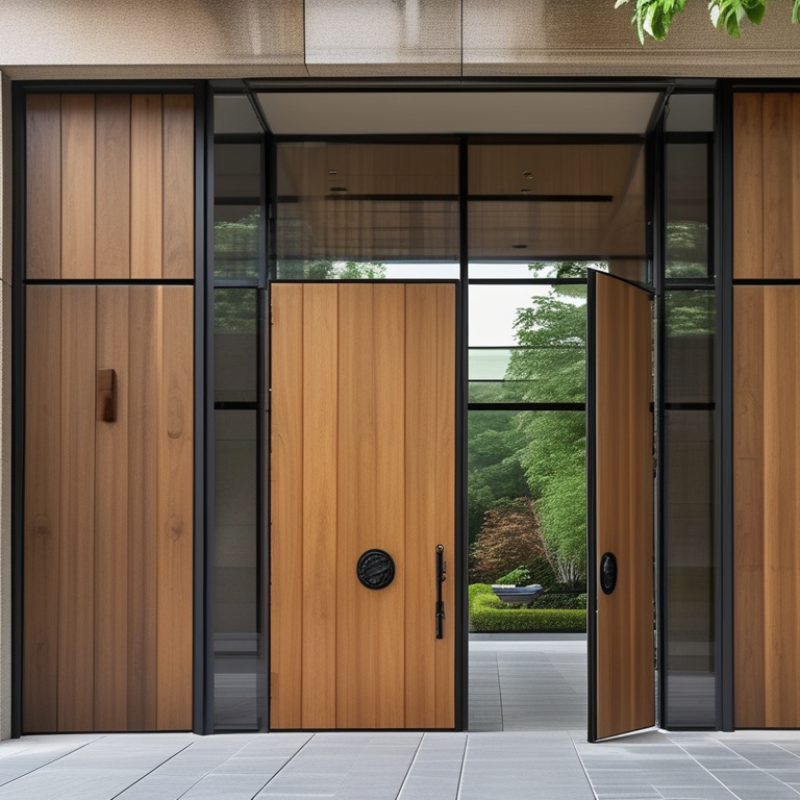
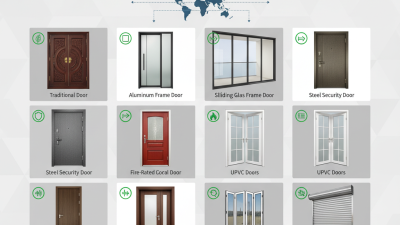
Top 10 Building Door Types: An Overview of Essential Selections
When planning a construction project, selecting the right building doors is crucial. Various door types offer distinct functionalities, aesthetics, and security features. Knowing the options can significantly impact your project’s success.
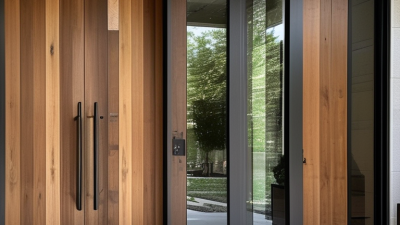
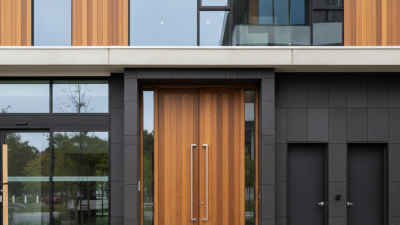
Steel doors provide durability and security. They are ideal for commercial buildings, offering resistance to both weather and forced entry. Wooden doors, on the other hand, bring warmth and charm. These are perfect for residential spaces, but they require regular maintenance to prevent warping.
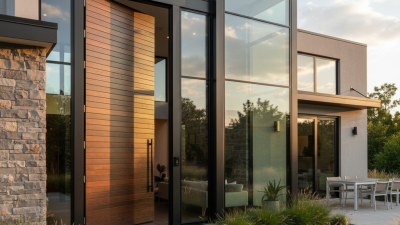
Glass doors create an inviting atmosphere. They enhance natural light, yet they may lack privacy and security.
Consider fire-rated doors for safety in specific areas. They are essential for compliance with building codes. Acoustic doors are worth exploring if sound control is vital. They help create a peaceful environment in busy areas.
Each door type has strengths and weaknesses, so evaluation is necessary. It might be beneficial to consult with a specialist to make informed choices that align with your project goals while ensuring compliance and safety standards.
Factors Influencing Door Material Choice: Durability, Cost, and Aesthetics
Choosing the right door material involves several key factors, notably durability, cost, and aesthetics. A study from the Building Research Establishment found that using high-quality materials can enhance the lifespan of doors by up to 30%. Selecting durable materials such as steel or fiberglass can significantly reduce replacement costs over time.
Cost is another critical factor. According to a recent industry report, the average cost of commercial doors ranges from $200 to $3,000, depending on material and design. Budgeting for upfront costs is essential, but consider long-term savings from lower maintenance needs.
Aesthetic appeal plays a vital role in decision-making too. Doors often serve as the first impression of a property. Survey data indicates that properties with quality doors can see up to a 10% increase in overall value.
Tips: Always balance style with practicality. For high-traffic areas, opt for materials resistant to wear and tear. Remember that aesthetics should not compromise functionality; doors must provide security and insulation, too. Regular maintenance can prolong the life of any door material chosen.
Comparative Analysis of Energy Efficiency Ratings in Building Doors
When selecting building doors, energy efficiency is a crucial factor. Many studies highlight that energy-efficient doors can reduce energy consumption by up to 25%. In fact, the Department of Energy reports that improving door insulation can lead to significant savings on heating and cooling bills. With varying energy efficiency ratings, it's essential to understand how these ratings impact overall building performance.
For instance, doors with a high R-value offer superior insulation properties. This means they can effectively resist heat flow. Conversely, doors with low R-values may result in higher energy costs. A recent report indicates that buildings with poor door insulation experience an average energy loss of 20%. This not only affects comfort levels but also increases environmental footprints.
Tips for choosing energy-efficient doors include assessing the materials used and inspecting their seals. Checking for certification labels can also ensure compliance with industry standards. In many cases, selecting the right door might be a challenge. Balancing aesthetics, cost, and functionality can lead to reflection on the best long-term choices for energy savings. Keep these factors in mind to make informed decisions on your building project.
Security Features in Modern Building Doors: What to Look For
When selecting modern building doors, security features should be at the forefront of your considerations. Look for solid materials that resist forced entry. Steel and reinforced fiberglass are excellent choices. They not only enhance security but also provide durability against the elements. Be mindful of door thickness. A thicker door offers better resistance.
Another crucial aspect is the locking mechanism. High-quality deadbolts are essential for preventing unauthorized access. Keyless entry systems, such as biometric scanners or digital locks, add convenience and advanced security. When installing, ensure the door fits tightly in its frame. Gaps can compromise security.
In addition to physical attributes, privacy should also be considered. Glass doors with frosted or reinforced glass offer visibility without sacrificing security. Evaluate additional features like alarms or security cameras integrated with door systems. Reflect on the specific needs of your project. Balancing aesthetics with security features is often challenging but essential for peace of mind.
Regulatory Compliance and Building Codes Affecting Door Selection
When selecting doors for your building project, regulatory compliance is crucial. Building codes vary by location and influence the entire construction process. It is essential to understand these regulations to avoid any legal issues later. They dictate aspects like fire resistance, accessibility, and energy efficiency. Non-compliance can lead to significant delays and increased costs.
Consider fire-rated doors. These are often mandated in commercial settings. They must meet specific criteria to ensure occupant safety. Local regulations might define the required fire resistance ratings. Another important factor is accessibility. Doors must comply with the Americans with Disabilities Act or similar laws. These requirements may vary, but the goal is always the same: creating safe and accessible spaces for everyone.
Construction teams often overlook these regulations in the hustle of building. They may focus on aesthetics over compliance. This can result in setbacks when inspections are due. Understanding the codes beforehand can save time and money. Engaging with professionals who specialize in building codes can ensure that all aspects are covered thoroughly. Making informed choices at the start will mitigate risks throughout the project.
Top 10 Building Doors You Must Consider for Your Project