Top Tips for Choosing the Best Outside Building Doors?
Choosing the right outside building doors can significantly impact your property’s safety and aesthetics. The door is not just an entryway; it is a key element that defines your building's character. A well-chosen door complements the architecture and provides functionality.
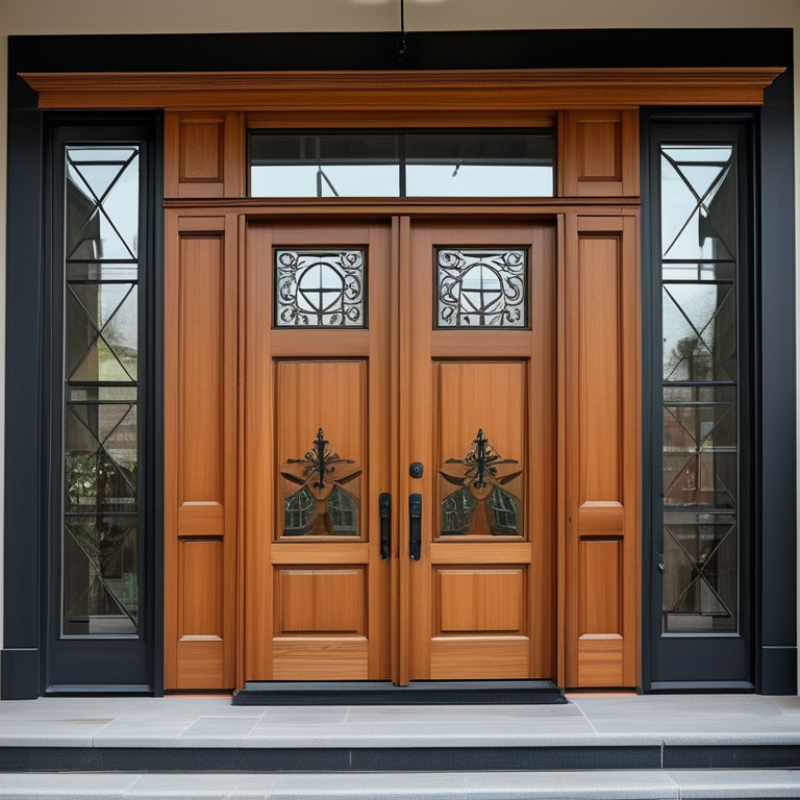
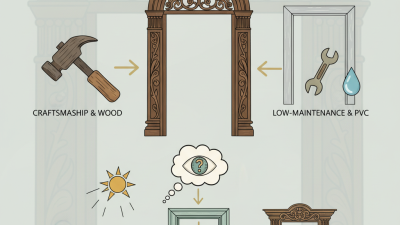
Consider various materials when selecting outside building doors. Wood, fiberglass, and metal each offer unique advantages. For instance, a classic wooden door can add warmth but may require more maintenance. On the other hand, metal doors can enhance security but might lack charm.
Think about the door’s design and color too. A bright color can make a statement, while a subdued tone may fit a more classic style. It’s crucial to balance attractiveness with durability. Many people overlook this aspect, often regretting their choices later. Reflect on what your building needs. This ensures your final choice enhances both appeal and security.
Understanding Different Types of Outside Building Doors
When selecting outside building doors, understanding the variety of options is crucial. Common types include traditional wooden doors, modern fiberglass doors, and durable steel doors. Wooden doors often exude charm and warmth, but they may require more maintenance. Fiberglass doors, on the other hand, resist warping and are energy efficient. Steel doors provide added security but can be less aesthetically pleasing.
Each material has its pros and cons. Consider your climate and exposure to elements. Wood may swell in humid areas, while steel might corrode. Choose a style that matches your home’s architecture. Many doors come with various finishes and insulation options. However, these choices can be overwhelming. A door should not only look good but also function well for years to come.
Budget plays a significant role in decision-making. Higher-end materials might last longer, but they require a greater initial investment. It's important to weigh short-term costs against long-term durability. Do not rush this decision. Take your time to explore different styles and materials. You might discover options that suit your needs better than expected.
Top Tips for Choosing the Best Outside Building Doors
| Door Type |
Material |
Energy Efficiency |
Security Features |
Maintenance Requirements |
| Steel Door |
Steel |
High |
Reinforced locks |
Low |
| Fiberglass Door |
Fiberglass |
Very High |
Multi-point locking system |
Very Low |
| Wood Door |
Wood |
Moderate |
Standard locks |
Moderate |
| Aluminum Door |
Aluminum |
High |
Basic security |
Low |
| Vinyl Door |
Vinyl |
High |
Reinforced locks |
Very Low |
Evaluating Material Options for Durability and Aesthetics
Choosing the right material for outside building doors is crucial for both durability and aesthetic appeal. Wood, steel, and fiberglass are popular options, each offering distinct advantages. Wood provides warmth and beauty, making it an excellent choice for traditional homes. However, it requires regular maintenance to prevent rot and warping. Steel doors are robust and secure, but they may rust if not properly coated. Fiberglass doors combine the best of both worlds; they are durable and low maintenance, resembling wood without the drawbacks.
When selecting a door, consider the climate and exposure conditions. For humid climates, fiberglass or treated wood is a better option. In dry regions, steel may withstand the elements more effectively. Additionally, think about insulation needs. A well-insulated door can improve energy efficiency.
Visual appeal is another key factor. Choose colors and finishes that complement your building's style. Don’t shy away from experimenting with textures and designs. A bold choice may enhance your home’s curb appeal. Reflect on your lifestyle. A heavy traffic entry may require a sturdier door, while a seldom-used side door can be more decorative. Balancing functionality and design is essential for long-lasting satisfaction.
Assessing Security Features in Exterior Door Choices
When considering exterior doors, security features should top your list. A sturdy door can deter intruders and provide peace of mind. Look for solid core models made from durable materials. These options withstand force better than hollow ones. Reinforced frames can also enhance security. They prevent easy access through prying.
Assess the locking mechanisms as well. High-quality deadbolts offer superior protection. They secure the door better than standard locks. Consider multi-point locking systems for added safety. This feature locks the door at multiple points, making it harder to breach.
Don't overlook the importance of installation. A professionally installed door performs better. Misalignments can create gaps, undermining security. Reflect on the design and color, too. A well-chosen door complements your home while providing safety. It’s crucial to balance aesthetics and functionality.
Considering Energy Efficiency and Insulation Ratings
When choosing outside building doors, energy efficiency and insulation ratings are crucial factors. A
well-insulated door can reduce heating and cooling costs significantly. According to the U.S. Department
of Energy, a poorly insulated door may lead to energy losses of 10% or more. Investing in doors with
high insulation ratings can not only enhance comfort but also lower energy bills.
Selecting the right materials is equally important. Doors made from fiberglass or insulated steel
usually offer superior insulation compared to traditional wood doors. A study by the National
Association of Home Builders states that insulated doors can lower energy consumption by up to 20%.
However, many consumers overlook the long-term benefits of such investments; they focus on initial
costs instead of potential savings.
Moreover, reflecting on personal needs can refine your decision. Consider how the door affects your
home’s overall energy efficiency. High-performance doors are more than a trend; they represent a
shift towards sustainability. A mismatch between your expectations and the door’s performance can
lead to dissatisfaction over time. Choose wisely to create a home that blends comfort with energy
efficiency.
Selecting the Right Style and Design for Your Property
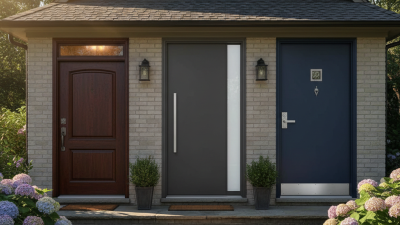
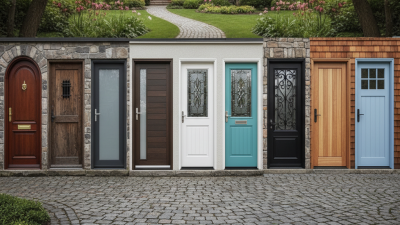
Choosing the right style and design for your outside building doors is crucial. Different architectural styles call for different approaches. A modern home might benefit from sleek, minimalist doors. On the other hand, a traditional property may look best with classic, ornate designs. You must think about the overall aesthetic of your home before making a decision. Pay attention to textural elements, colors, and materials that complement your property.
Functionality is just as important as appearance. Consider how often you will use these doors. If they lead to a high-traffic area, durability should be a priority. What about security features? Ensure the design you choose doesn’t compromise safety. Some door styles may look beautiful but might lack the strength you need. It's worthwhile to create a balance between style and practicality.
Lastly, think about the climate in your area. Weather can impact the longevity of materials. You may love wooden doors, but will they withstand moisture? Reflect on these aspects before you finalize your choice. It’s a decision that requires careful thought and a willingness to adapt. Always be open to feedback and suggestions for improvement, as well.
Top Tips for Choosing the Best Outside Building Doors