How to Choose the Best Wooden Floor for Your Home?
Choosing the right Wooden Floor can transform your living space. According to Mark Thompson, a renowned flooring expert, “The perfect wooden floor brings warmth and character to any home.” With various types of wood, finishes, and styles available, making a decision can feel overwhelming.
Different hardwoods offer unique aesthetics and durability. Oak, maple, and cherry are popular choices. Each type has distinct grain patterns and color tones. Understanding the environment of your home is crucial. For example, humidity can affect wood expansion and contraction. This might lead to gaps or warping over time.
Budget is another important aspect. Quality wooden floors can be an investment. However, a cheaper option might not hold up as well. Reflect on your lifestyle too. Families with pets may need more durable flooring. Ultimately, selecting a wooden floor requires careful thought and research. Consider your preferences, and remember, there is no one-size-fits-all solution.
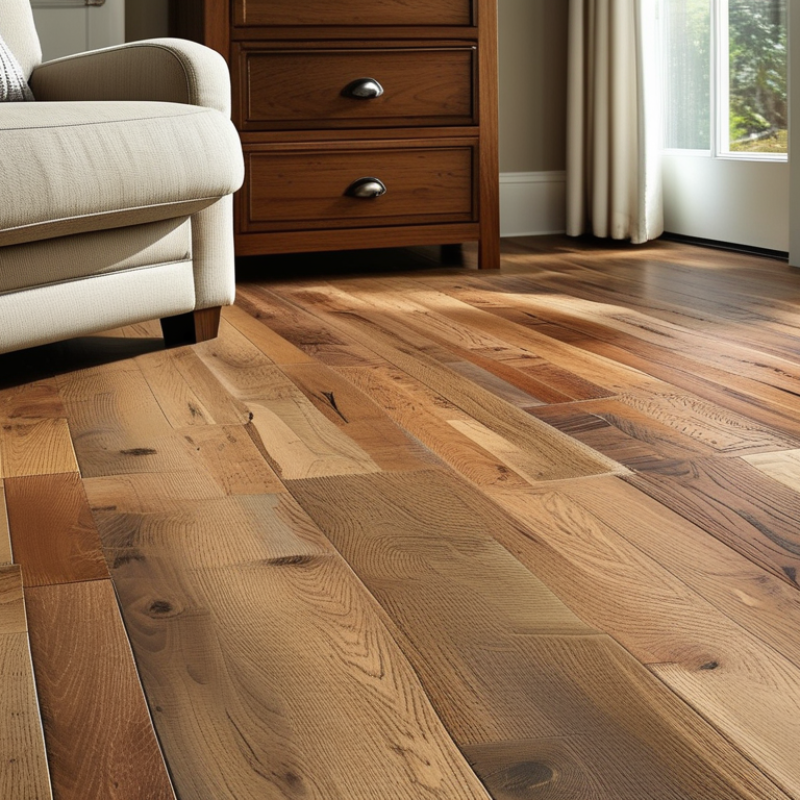
Types of Wooden Flooring: A Comprehensive Overview
When choosing wooden flooring, understanding the different types available is crucial. Solid hardwood and engineered wood are the two main categories. Solid hardwood comes from a single piece of timber. It is durable and can be refinished multiple times. However, it can expand and contract with humidity, making it less suitable for areas with high moisture levels.
Engineered wood consists of a plywood base topped with a veneer of solid wood. This construction provides better stability and resistance to moisture. According to the National Wood Flooring Association, engineered wood has gained popularity, accounting for over 30% of the market. It offers versatility for different environments and is often more cost-effective.
Bamboo flooring is another option that's gaining traction. It’s sustainable and harder than many hardwoods. However, the quality can vary significantly. An NFPA report shows that bamboo wood is often underestimated due to perceived durability issues. Homeowners should assess several factors before making a decision, such as local climate and flooring usage. The right wooden floor can enhance your home's aesthetics and comfort, but it's essential to weigh the pros and cons for your specific situation.
Types of Wooden Flooring
Factors to Consider When Selecting Wooden Flooring
When selecting wooden flooring, several key factors demand your attention. Firstly, consider the type of wood. Hardwoods like oak and maple are durable, while softer woods may dent easily. Think about your lifestyle—if you have pets or kids, a more resilient option is crucial. The grain and color of the wood will influence the room's ambiance. Light woods create a spacious feel, whereas dark tones add warmth and richness.
Next, pay attention to the finish. Should you opt for pre-finished boards or will you finish them on-site? Pre-finished floors are convenient and often more resistant to scratches. However, site-finished options allow for customization but might involve a longer installation process. The installation method also matters. Floating floors are easier to install, while nail-down options provide more stability.
Lastly, think about maintenance. Some finishes require regular upkeep to maintain their appearance. Consider your willingness to commit to care. The flooring you choose will impact your home for years to come, so think critically and don't rush the decision. Each type has its advantages and drawbacks, inviting deeper reflection on your choice.
Comparing Solid vs. Engineered Wood Floors
When choosing between solid and engineered wood floors, it's essential to understand their key differences. Solid wood floors are crafted from a single piece of hardwood. They offer a classic, timeless look and can be sanded down multiple times for refinishing. However, they are sensitive to humidity changes, which can lead to warping. This susceptibility might not suit all climates, especially in areas with high moisture levels.
On the other hand, engineered wood floors consist of multiple layers. This design allows for better stability and resistance to changes in temperature and humidity. They can be installed in basements and over concrete. Yet, the options for refinishing are limited. You may be disappointed if you expect to sand them down as you would with solid wood. Choosing the right type depends on your environment and lifestyle.
Consider the aesthetics you desire. Solid wood often boasts more character and unique grain patterns. Engineered wood, while offering a broad range of finishes, may sometimes look less authentic. Weigh the pros and cons carefully. Think about your home's temperature fluctuations and your renovation plans. Balancing beauty with practicality is challenging but vital for a satisfying decision.
Assessing Durability and Maintenance Requirements
When choosing a wooden floor for your home, durability should be a key factor. Not all wood types are created equal. Hardwoods like oak and maple generally resist scratches and dents better than softer varieties like pine. Consider your lifestyle. Homes with pets or children require tougher flooring. Research shows that certain finishes can increase a wood floor's longevity. A high-quality finish creates a barrier against everyday wear and tear.
Maintenance is another critical aspect. Regular cleaning helps preserve the surface. Sweeping or vacuuming is essential to remove dirt and grit. Avoiding excessive water during cleaning is crucial; moisture can warp wood. Refinishing your floors can be daunting but is often necessary over time. As you weigh your options, reflect on how much effort you are willing to invest in upkeep. Some wood floors demand more attention than others. Long-term care can lead to stunning results but may not fit everyone's schedule. Each choice comes with trade-offs that deserve careful consideration.
Budgeting for Your Wooden Flooring Project
When budgeting for your wooden flooring project, the initial cost is just the beginning. According to industry reports, quality wooden floors can range from $3 to $12 per square foot, depending on the type of wood. Installation costs can add an additional $2 to $8 per square foot. It's important to consider not only the material but also labor costs.
Choosing affordable wood options can save money upfront. However, it's wise to invest in durable materials that last longer. Cheap options may need replacement sooner, increasing overall expenses. For instance, engineered hardwood may be a budget-friendly alternative to solid wood, offering great aesthetics without the hefty price tag.
Consider your long-term goals. Projects often go over budget, with unexpected expenses arising. A survey indicates that 20% of homeowners reported additional costs during their flooring installation. Always allow a cushion in your budget for these surprises. Gathering multiple quotes can help you find competitive pricing. This approach enhances your bargaining position, ensuring you get the best deal.
