How to Choose the Best Trim Under Exterior Door for Durability?
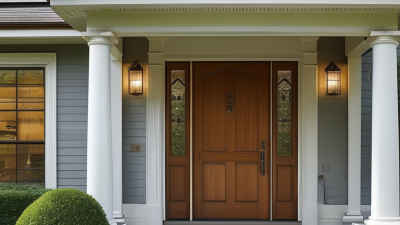
Choosing the right trim under exterior door is crucial for both functionality and aesthetics. This small yet significant detail can affect your home's durability and appeal. A sturdy trim not only complements your door but also protects it from elements, like water and pests.
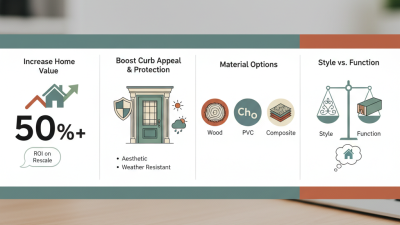
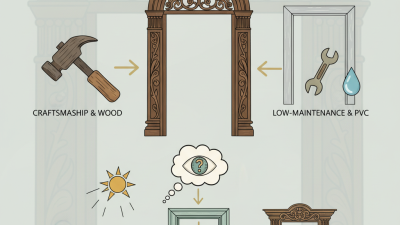
When selecting the best trim, consider the material carefully. Wood, PVC, and composite trims each have unique strengths and weaknesses. For example, wood offers a classic look but may require more maintenance. On the other hand, PVC can be low-maintenance but might lack the same visual warmth. It is essential to weigh these options based on your needs.
Venturing into the realm of durability, ensure the trim under exterior door can withstand local weather conditions. If your area experiences heavy rainfall, a rot-resistant option is a must. Reflect on how often you wish to replace or repair it. The right choice could save you time and money in the long run. Aim for a balance between style and longevity to enhance your home’s entrance. The right trim can elevate your door's appearance while providing essential protection.
Understanding Different Types of Trim Materials for Exterior Doors
When choosing trim materials for exterior doors, durability is crucial. Different materials offer various benefits and drawbacks. Wood trim gives a classic look but may require regular maintenance. It can warp or rot due to moisture, leaving homeowners with repair issues. Consider using composite materials. These are synthetic and resistant to the elements, yet they can lack the aesthetic appeal of natural wood.
Metal trim is another option, providing exceptional durability. It withstands harsh weather conditions. However, metal can become hot or cold to the touch and may dent. Concrete or masonry trims are durable and low-maintenance, but installation can be complex and costly.
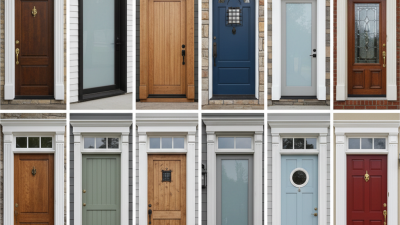
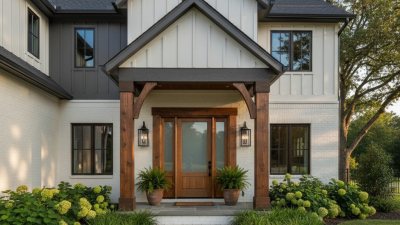
Choosing the right trim can greatly affect your home's exterior. Look for options that combine aesthetics with functionality. Assess your local climate when deciding. Harsh conditions could mean prioritizing sturdy materials over appearance. Be mindful of the installation process. Improperly installed trim may lead to costly damage later on.
Key Factors to Consider for Durability in Door Trim Selection
Choosing the right trim under your exterior door can significantly impact durability. One of the first factors to consider is the material. Solid wood is traditional but may warp over time in damp environments. Vinyl is weather-resistant but may lack the aesthetic appeal of wood. Think about your climate when selecting a material.
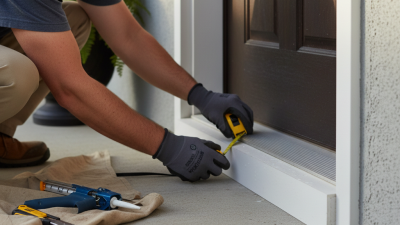
Another crucial aspect is installation. Proper installation can influence your trim's lifespan. Trim should sit slightly above the ground to avoid water damage. If installed directly on damp surfaces, even the best materials can degrade quickly. Pay attention to detail during this step to prevent future headaches.
Lastly, consider the trim's finish. Protective coatings can enhance longevity. Opt for a finish that can endure UV exposure and moisture. Regular maintenance is essential, but choosing the right finish from the start can reduce long-term care. Reflect on your choices, as the right selection can make a difference for years to come.
Durability Factors in Choosing Trim Under Exterior Doors
Comparing Finish Options for Enhanced Weather Resistance
When selecting trim under an exterior door, the finish plays a crucial role in weather resistance. Various materials such as wood, PVC, and metal offer different levels of durability. For instance, wood is often admired for its aesthetics, but without proper sealing, it can warp or rot over time. On the other hand, PVC is resistant to moisture but may not have the same inviting appearance as wood. Metal can provide exceptional durability, yet it might be prone to rust without a protective coating.
A focus on the finish can enhance your trim's lifespan significantly. A high-quality paint or stain can add an extra layer of protection against the elements. Consider using finishes that contain UV inhibitors, which help prevent fading and weathering. Alternatively, look for coatings that provide a waterproof barrier. This careful choice can lead to fewer maintenance issues down the line.
It’s important to remember that even with the best materials and finishes, environmental factors still play a significant role. Issues like heavy rainfall or extreme sunlight can impact the longevity of any chosen option. Periodically inspecting and maintaining your trim is essential to ensure its durability. Reflecting on your past choices can lead to better decisions for the future. Every choice, from finish to material, deserves careful thought.
Installation Methods for Ensuring Long-lasting Trim Performance
When installing trim under exterior doors, choosing the right method is crucial for durability. According to a report by the American Institute of Architects, 40% of exterior door failures stem from improper installation techniques. Ensuring that the trim is adequately sealed can significantly enhance its lifespan. Using caulking at the joints can prevent moisture infiltration, which is a common cause of wood rot and decay.
Different materials require different approaches. For instance, vinyl trim is resistant to moisture but can expand with temperature changes. In contrast, wood trim offers aesthetic appeal but needs proper sealing. A study published in the Journal of Building Performance found that trim installed with appropriate fasteners and protective coatings lasts nearly 30% longer than unprotected installations. Observing such details is essential.
It's essential to reflect on installation choices. Rushing through the process can lead to future problems, like gaps or misalignment. Regular inspections are needed to identify potential issues early. Proper alignment and securing methods, like using stainless steel screws, fight corrosion effectively. Ultimately, the right installation strategy can save homeowners from costly replacements in the long run.
Maintenance Tips to Extend the Life of Exterior Door Trim
Exterior door trim plays a crucial role in both aesthetics and durability. Regular maintenance is key to extending its lifespan. According to industry reports, neglect can shorten the life of exterior trim by up to 50%. Simple care routines can make a significant difference.
Inspect the trim regularly for signs of wear or damage. Look for cracks or peeling paint. These issues can lead to moisture penetration, which may cause rot. Cleaning the trim with a mild detergent helps remove dirt and grime. Additionally, reapplying paint or sealant every few years creates a protective barrier against weather elements.
Protective measures are vital. Consider using caulk to seal gaps, which prevents water from entering. The National Association of Home Builders recommends using high-quality materials designed for exterior use. Even small improvements in maintenance can yield long-term benefits and ensure your exterior door trim remains functional and attractive.