Best Outside Entry Doors for Your Home Design Needs?
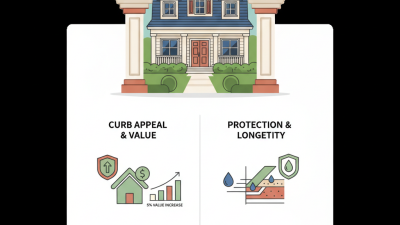
Choosing the right outside entry doors for your home involves more than just aesthetics. These doors serve as the first line of defense against the elements and potential intruders. They also contribute significantly to the overall curb appeal of your home. Thus, selecting the perfect doors requires careful consideration of various factors, including material, style, and security features.
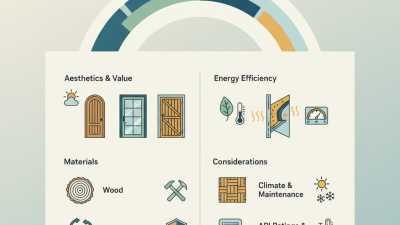
The materials used in outside entry doors vary widely. Each material offers distinct advantages and limitations. For example, fiberglass doors are energy-efficient and resistant to warping. On the other hand, wooden doors exude natural beauty but may require more maintenance. Homeowners often grapple with these choices, seeking the balance between beauty and functionality.
Security is another paramount concern. Many options come with advanced locking mechanisms, providing peace of mind. However, some doors may fall short in this area, leaving homes vulnerable. It is essential to weigh these factors to ensure that your selected outside entry doors meet all your needs. Finding the right balance of design and security is a challenging yet rewarding process.
Best Materials for Outside Entry Doors: Durability and Aesthetics
When selecting the best materials for outside entry doors, durability and aesthetics are crucial. A study by the American Architectural Manufacturers Association found that fiberglass doors resist harsh weather better than wood and steel options. These doors can withstand extreme temperatures and humidity, ensuring long-term performance. The average lifespan of a fiberglass door can exceed 30 years, providing great value to homeowners.
Wood doors offer natural beauty and can be custom-designed. However, they require regular maintenance. A report from the National Association of Home Builders indicates that untreated wood can warp or split within five years in severe climates. Choosing pressure-treated or sealed wood can mitigate these issues. Still, the aesthetic appeal often comes with a higher upkeep cost.
Steel doors rank high in security and energy efficiency. According to the U.S. Department of Energy, steel doors can reduce energy bills significantly. Yet, they can dent and rust if not properly maintained. Homeowners face a dilemma: balance beauty and practicality. Regardless of the material, understanding the climate and maintenance needs is essential. These elements can influence your door's longevity and visual impact on your home’s exterior.
Top Energy-Efficient Entry Doors to Lower Your Home's Energy Bills
Selecting the right entry door is essential for enhancing your home’s energy efficiency. According to the Department of Energy, about 15% of a home's energy loss occurs through doors. Upgrading to an energy-efficient entry door can significantly reduce heating and cooling costs. High-quality doors are designed to minimize air leaks. Look for models with a thermal resistance (R-value) rating of R-5 or higher. These doors can help lower energy bills over time.
Consider the importance of proper installation. A door, no matter how efficient, won't perform well if not installed correctly. Gaps around the frame can lead to unwanted drafts. Using weather stripping and proper insulation can further increase energy savings. Many homeowners overlook the importance of this detail. It's worth taking a little extra time to ensure a tight fit around your new door.
Choosing materials wisely also impacts efficiency. Fiberglass doors often outperform steel in insulation. They resist warping and provide long-lasting durability. When making a decision, review energy performance ratings. It’s critical to evaluate different options before purchasing. Remember, investing in a high-quality entry door can cut costs and deliver comfort for years to come.
Best Outside Entry Doors for Your Home Design Needs
| Door Style |
Material |
Energy Efficiency Rating |
Average Cost |
Warranty Period |
| Traditional |
Wood |
R-5 |
$1,200 |
10 years |
| Modern |
Fiberglass |
R-6 |
$1,500 |
15 years |
| Craftsman |
Steel |
R-4.5 |
$1,000 |
Lifetime |
| Contemporary |
Aluminum |
R-7 |
$1,800 |
10 years |
| Colonial |
Vinyl |
R-5.5 |
$1,300 |
20 years |
Choosing the Right Style: Traditional vs. Modern Entry Door Designs
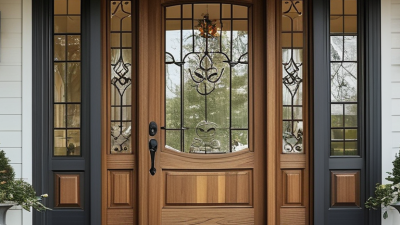
When selecting the perfect entry door, the choice between traditional and modern designs is crucial. According to the American Institute of Architects, 80% of homeowners prioritize style when renovating their homes. Traditional doors, often made of wood, bring warmth and nostalgia. They frequently feature intricate carvings and paneling that evoke a sense of history. This style resonates with buyers looking for classic aesthetics.
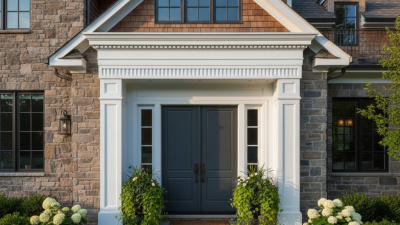
On the other hand, modern doors emphasize clean lines and minimalism. Materials like fiberglass and metal are common in these designs. A report from the National Association of Home Builders suggests that modern styles appeal to around 65% of younger homebuyers. These doors often have sleek finishes, contributing to an elegant, understated look. Yet, some may find them too stark and uninviting.
Choosing the right style requires understanding your home's overall design. Consider the architectural elements that define your space. Reflection on personal taste and neighborhood aesthetics is essential. Each choice has its merits and limitations. Balancing originality and market trends can guide homeowners toward a satisfying decision.
Security Features to Consider When Selecting Outside Entry Doors
When selecting outside entry doors, security features are paramount. A report from the National Association of Home Builders states that about 30% of burglaries involve forced entry through doors. Thus, investing in robust materials and advanced locking systems can deter intruders significantly. Look for doors made from durable materials such as fiberglass or steel. These offer better protection compared to standard wood doors.
Consider the type of lock installed on your door. Deadbolts are a great option and are recommended by law enforcement agencies. Research indicates that doors with multiple locking points offer better security. Additionally, smart locks are gaining popularity, providing remote control and monitoring features. However, these do require a reliable power source and internet connection.
Clear visibility enhances security as well. A well-lit entryway deters criminal activity. Inadequate lighting can create shadows, providing cover for intruders. It's also worth reflecting on door placement; a solid door that opens into a well-monitored area improves overall safety. Checking the door's frame for strength is essential, as weak frames can compromise security even if the door itself is robust.
Essential Sizing and Installation Tips for Your Entry Door Project
Choosing the right entry door involves more than just aesthetics. Sizing and installation are crucial aspects that can significantly affect the door's performance and longevity. According to the Door and Window Manufacturers Association, the average residential entry door measures about 36 inches in width and 80 inches in height. However, this standard size may not fit all homes. Custom doors are often necessary for unique architectural designs, which might require deeper consideration during the planning phase.
When installing an entry door, accuracy is key. A poorly fitted door can lead to energy loss, affecting heating and cooling efficiency. The Department of Energy reports that up to 30% of a home’s energy can escape through inadequate seals and gaps around doors. It’s important to measure the rough opening and ensure the door frame is square. Check the measurements multiple times before proceeding. A common oversight is neglecting to account for weatherstripping and shimming.
Even experienced DIYers can face challenges during installation. Misalignment can occur, leading to difficulties in operation. Sometimes, professional help is warranted to achieve that perfect fit. A well-installed entry door not only enhances curb appeal but also improves security and energy efficiency. Awareness and attention to these details can transform your entryway, yet many overlook these fundamental factors in the excitement of choosing new designs.
Best Outside Entry Doors by Material