Best Exterior Trim for Doors Options and Considerations?
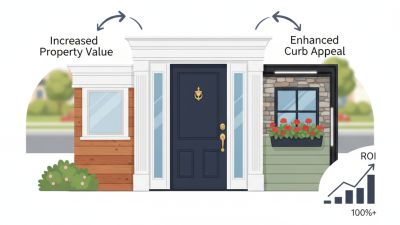
When selecting the best exterior trim for doors, several factors come into play. According to industry expert Michael Johnson, "The right exterior trim can greatly enhance a home’s curb appeal." He emphasizes the importance of both aesthetics and functionality in this decision.
Exterior trim for doors serves multiple purposes. It defines the door's frame, adds visual interest, and protects against the elements. Homeowners often overlook the critical role that exterior trim plays in overall design. Choosing the right material is essential. Options such as wood, composite, or PVC each bring distinct advantages and disadvantages.
Weather conditions and maintenance requirements should also influence choices. For instance, wood may require periodic painting, while PVC is more resistant to fading. Homeowners must weigh these considerations against their budget and style preferences. Selecting exterior trim for doors isn't just a design choice; it can reflect a homeowner's commitment to quality and longevity.
Types of Exterior Trim Materials for Doors
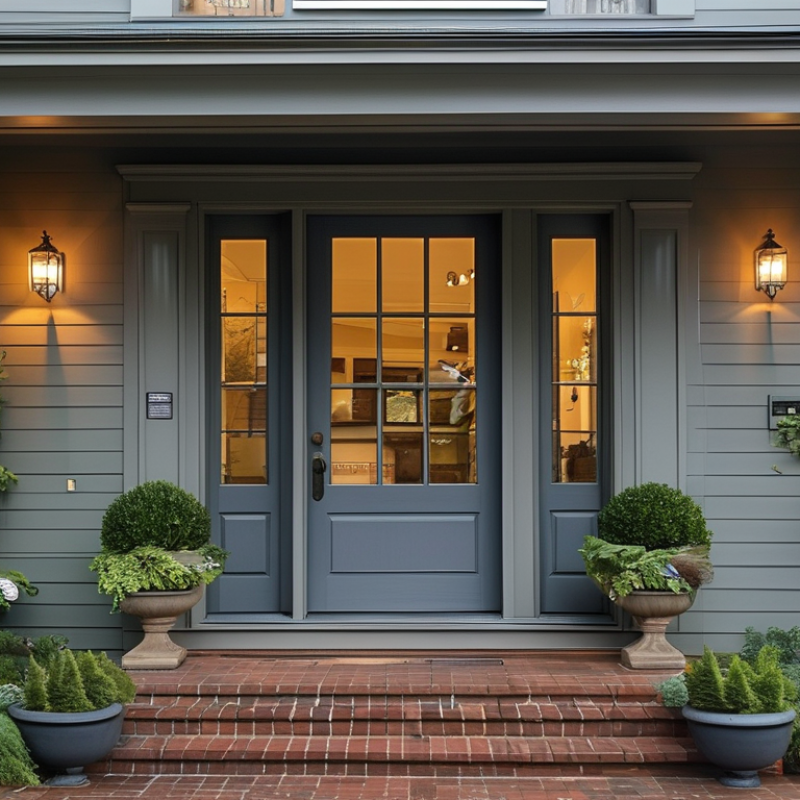
When selecting exterior trim materials for doors, there are several options to consider. Wood is a classic choice, offering natural beauty and warmth. However, it requires regular maintenance to prevent rot and warping. PVC trim is a popular alternative, as it is resistant to moisture and insects. This material is low-maintenance, but its appearance may not appeal to everyone.
Another option is composite trim, which combines wood fibers and synthetic materials. This offers the best of both worlds, with durability and aesthetics. It can mimic the look of wood while providing better resistance to the elements. Metal trim, often made of aluminum or steel, is another choice, known for its strength and modern look. It may dent or scratch, which can detract from its appeal.
Tips: Always consider your local climate when choosing trim materials. Certain materials perform better under specific weather conditions. For example, homes in humid areas may benefit from materials that resist moisture. Additionally, ensure that the trim complements your home’s architectural style to maintain visual harmony. Think about long-term maintenance costs versus initial price to make a well-informed choice.
Factors to Consider When Choosing Exterior Trim
When selecting exterior trim for doors, consider several factors to enhance both function and aesthetics.
Material choice plays a critical role.
Traditional wood offers beauty but requires regular maintenance.
Fiberglass and PVC
are durable and low-maintenance alternatives, though they might lack the warmth of natural wood.
Think about climate as well; some materials hold up better against moisture and temperature fluctuations.
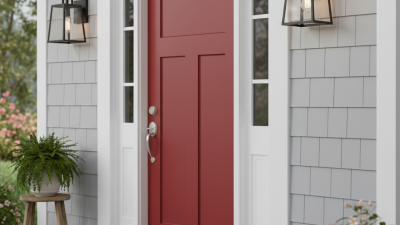
Style is equally important. Trim can complement your door design or create contrast.
Consider profiles like flat, colonial, or modern styles.
The right profile adds character and depth to your entryway.
Color choices influence visual appeal significantly.
Light colors reflect heat, while dark shades absorb it.
Choose colors that blend well with your exterior palette.
Lastly, size matters.
Trim should be proportional to your door and surrounding architecture.
Oversized trim can overwhelm, while undersized options may look insignificant.
Pay attention to proportions to achieve a balanced appearance.
Reflect on these design elements when making decisions; it’s an opportunity for personalization.
Ensure your choices reflect your taste and the overall theme of your home.
Design Styles for Door Trim: Traditional vs. Modern
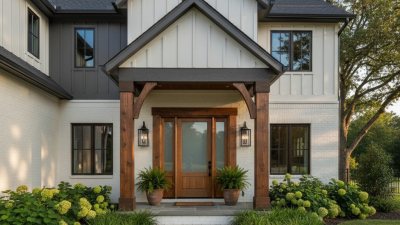
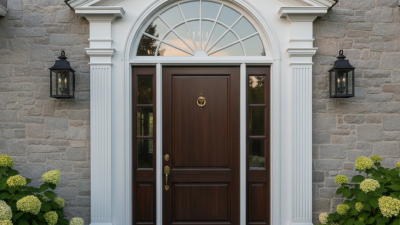
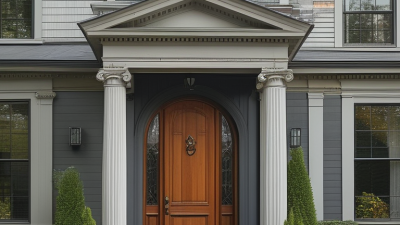
When considering exterior trim for doors, the design style plays a crucial role. The choice between traditional and modern styles can define a home's aesthetic. Traditional door trims often feature intricate details. They may include ornate moldings and decorative crowns. In contrast, modern trims lean towards simplicity and clean lines. Flat surfaces and minimalistic designs are common. According to the American Institute of Architects, 65% of homeowners prefer modern designs in recent home renovations.
Tips: Choose a trim style that complements your home’s architecture. A historic home may benefit from a classic look, while something contemporary might shine with minimalism.
Material choice is also essential. Wood is popular for traditional trims, offering warmth and charm. However, modern designs often utilize composite materials for durability. A study by the National Association of Home Builders indicates that 72% of new constructions use engineered wood or composites for door trims. This reflects a growing trend towards sustainability and maintenance ease.
Tips: Consider the climate in your area. Some materials can warp or fade based on environmental conditions. Always research your options and consult professionals where needed.
Maintenance and Durability of Exterior Trim Options
Choosing the right exterior trim for doors is crucial. It impacts both aesthetics and durability. When it comes to maintenance, some materials perform better than others. For instance, wood offers beauty but requires regular sealing and painting. It can warp or rot if not maintained properly, making it a high-maintenance option.
Vinyl trim is low-maintenance and resistant to moisture. However, it might fade or crack over time. If you prefer a sturdy option, consider fiberglass. It mimics wood’s look while being more durable. Still, installation can be tricky.
Tips: Opt for treatments that protect your trim from harsh weather. Regular inspections can catch problems early. Remember, even the best materials need care. Consider your climate when choosing. Certain finishes work better in humid areas, while others resist UV damage in sunny regions. Reflect on your home's design and local weather. Choose wisely.
Best Exterior Trim for Doors Options and Considerations - Maintenance and Durability of Exterior Trim Options
| Material |
Durability |
Maintenance |
Cost |
Best Use |
| Vinyl |
High |
Low |
Moderate |
Moisture-prone areas |
| Wood |
Medium |
High |
Varies |
Traditional homes |
| Fiber Cement |
Very High |
Moderate |
Moderate |
All climates |
| PVC |
High |
Very Low |
Low |
Contemporary styles |
| Aluminum |
High |
Low |
High |
Modern and urban settings |
Cost Comparison of Different Exterior Trim Materials
When choosing exterior trim for doors, cost is a significant factor. Various materials offer different price points. Wood, for instance, is classic and beautiful but can require maintenance. It can also be pricier than alternatives. Composite materials mimic wood but often come at a moderate price.
Vinyl is another option and usually the most budget-friendly. It’s lightweight and low maintenance. However, it may lack the aesthetic appeal of wood or composite. Metal trim can be durable but may be subject to rust, depending on the finish. Each material has its pros and cons, requiring careful consideration.
Installation costs should also be factored in when budgeting. Some materials may seem cheaper but require skilled labor. This can drive up total expenses. Take time to weigh long-term costs against initial investment. Consider your climate and home style. Each choice impacts not only the look but also the longevity and upkeep of your doors.