What is the Best Building Entry Doors for Your Home?
Choosing the right building entry doors is crucial for any home. These doors serve as the first line of defense against intruders and the elements. They also make a statement about your style. The right door combines security, aesthetics, and functionality.
Many homeowners overlook the quality of entry doors. They may opt for cheaper options that lack durability. However, investing in high-quality building entry doors pays off in the long run. Think about the material, design, and insulation. Each choice affects your home's security and energy efficiency.
It’s also important to consider the installation process. A poorly installed door can lead to problems over time. Weatherstripping may fail, or the door might warp. This can create gaps that allow drafts or moisture to enter your home. Reflect on your choices and ensure you are well-informed before making a decision on your building entry doors.
What Factors to Consider When Choosing Entry Doors for Your Home
Choosing the right entry doors for your home is crucial. Various factors influence this decision. A door is not just an entryway; it's the first impression of your home. Think about the design. Your door should complement your house style. This helps create a cohesive look. It’s essential to select a design that resonates with you.
Material is another important consideration. Each type has pros and cons. Wood is classic and aesthetically pleasing, but it requires upkeep. Fiberglass doors are durable and energy-efficient. Steel doors offer strength and security but may be less visually appealing. Weigh these aspects carefully. Reflect on your lifestyle and where you live. An entry door must withstand weather and usage over time.
Security features should not be overlooked. Choose doors with solid construction and good locking mechanisms. Energy efficiency matters too. Look for options that provide insulation and lower energy bills. When making your decision, think about your long-term needs. A door should serve you well for years. Don’t rush the choice. Take your time and consider every angle.
Comparative Analysis of Material Types: Wood, Steel, and Fiberglass
When choosing the best entry door for your home, material type plays a crucial role. Wood, steel, and fiberglass each offer unique advantages and drawbacks. Wood doors provide a warm, natural look. They can be customized easily with different stains and finishes. However, they require regular maintenance to prevent warping and decay.
Steel doors are durable and secure. They resist dents and wear better than wood. They are energy efficient, often featuring insulation. Yet, they can suffer from rust if not properly coated. A key consideration is whether you live in a humid or rainy area.
Fiberglass doors mimic the look of wood but have greater resistance to elements. They require less maintenance and offer decent insulation. However, some may find fiberglass less visually appealing compared to solid wood.
When selecting a door, consider your local climate and personal style. A door should complement your home's aesthetics while providing security. Don't forget to check energy efficiency ratings. Most importantly, assess your willingness to maintain your door type over time. Each material has its pros and cons, so think deeply about what fits your lifestyle best.
What is the Best Building Entry Doors for Your Home?
| Material Type |
Durability |
Energy Efficiency |
Maintenance |
Cost |
| Wood |
Moderate to High |
Good |
High |
$$$ |
| Steel |
High |
Excellent |
Low |
$$ |
| Fiberglass |
High |
Very Good |
Low |
$$$ |
Energy Efficiency Ratings: How Entry Doors Impact Home Insulation
When selecting entry doors, energy efficiency is crucial for home insulation. A well-insulated door can significantly reduce energy loss. Look for doors with high energy efficiency ratings. These ratings indicate how well the door can retain heat during winter and keep your home cool in summer.
Many homeowners overlook the impact of door materials. Solid wood, fiberglass, and steel offer different insulation properties. High-quality doors often feature multiple layers. This increases their ability to prevent heat transfer. Consider how exposure to the elements might affect door performance over time. Regular maintenance is key to ensuring they maintain their insulation effectiveness.
Incorporating proper weather stripping is vital. This small detail can make a significant difference. Gaps can allow drafts, increasing energy bills. Pay attention to door frames, as inadequate sealing can be problematic. Aesthetic choices are important, but functionality should not be sacrificed. Reflecting on these aspects can lead to better long-term choices for your home's comfort and efficiency.
Security Features: The Importance of Lock Grades and Reinforcements
Choosing the right entry door for your home is crucial for security. Many homeowners underestimate the importance of lock grades and reinforcements. According to the Insurance Institute for Business & Home Safety, over 1.7 million burglaries occur each year in the United States, with most break-ins happening through unsecured entry points.
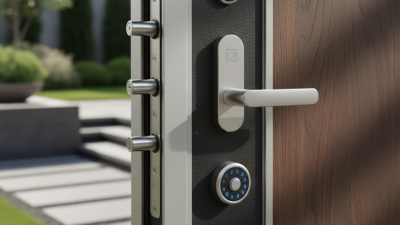
High-security locks are essential. Look for locks that meet Grade 1 standards, as rated by the American National Standards Institute. These locks can withstand forced entry better than their lower-grade counterparts. Reinforcements such as steel plates and deadbolts can provide additional protection. A door without these features is vulnerable.
Consider these factors when choosing your door: the material, the strength of the frame, and the type of locking mechanism. Fiberglass and steel doors offer better durability. Many reports emphasize that a well-chosen door can reduce the risk of break-ins significantly. While aesthetics matter, security should be the top priority. Remember, a beautiful door is of little use if it can be easily breached.
Adding extra security features might seem costly, but the investment pays off in peace of mind. A door is an essential part of your home's first line of defense. Each homeowner needs to assess their unique situation and make informed choices.
Design Trends and Aesthetics: Aligning Entry Doors with Home Style
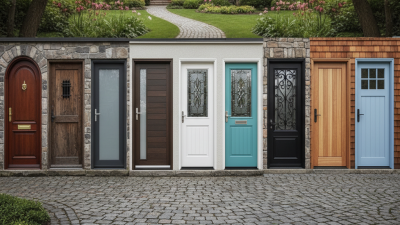
When choosing entry doors, aesthetics play a crucial role in enhancing your home's design. The right door can complement your architectural style and boost curb appeal. A modern home may benefit from sleek lines and minimalistic designs, while a traditional house often looks best with ornate woodwork and classic finishes. Pay attention to the door material as well; natural wood can add warmth, while metal or fiberglass can offer durability and a contemporary flair.
Color choice is another essential aspect of aligning entry doors with your home style. Bold colors can make a striking statement, while neutral tones blend seamlessly with varied exterior palettes. Consider how the door color interacts with other elements like siding, trim, and landscaping. An entryway should invite guests while reflecting your personality. Balancing assembly and functionality with these design elements can be tricky. Improper alignment can lead to operational issues and undermine appearance.
Finally, functionality deserves attention. Energy efficiency, security features, and weather resistance are important. While aesthetic choices matter, practical aspects ensure your entry door stands the test of time. A beautifully designed door can lose its charm if it doesn't serve its purpose well. Aim for a harmonious blend of style and substance to create an inviting entrance to your home.